
Courts: ITAT Chennai
Find latest ITAT Chennai judgments, orders and case laws on income tax covering assessments, deductions, transfer pricing, capital gains, TDS, reassessment and penalties.

Reopening Based on “Reason to Suspect” Is Invalid: ITAT Chennai
Notice u/s. 148 issued with approval of Member of CBDT is void and invalid
Addition quashed as Form 2 under Income Declaration Scheme not served: ITAT Chennai
ITAT Chennai Allowed TDS Credit in Year of Receipt Due to Cash Accounting System
Old Trust Can’t Be Denied 5-Year Registration Due to Portal Technical Glitch: ITAT Chennai
Shares Settled in Family Trust Exempt under Section 56(2)(x): ITAT Chennai
Section 271(1)(c) Penalty Cannot Survive When Reassessment Is Quashed: ITAT Chennai
No Double Penalty for Same Default Under Sections 271A and 271B: ITAT Chennai
ITAT Chennai Orders De Novo Examination in Search Case Involving ₹200+ Crore Notings
Section 153C Proceedings Quashed for Lack of Incriminating Material: ITAT Chennai Sets Aside ₹597+ Crore Additions
Reassessment Notice Issued by Jurisdictional AO Invalid Post 29.03.2022: ITAT Chennai
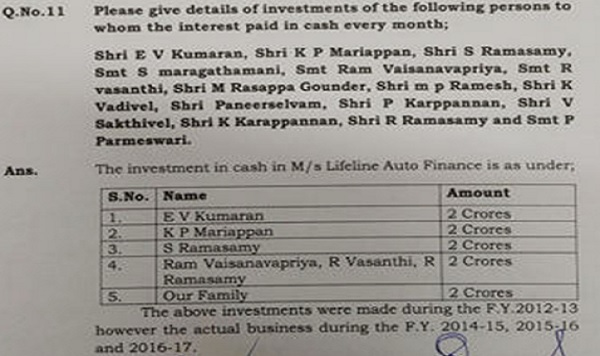
₹2 Crore Section 69 Addition Quashed Due to Uncorroborated Loose Sheets
Loose Sheets + Retracted Statement Not Enough for 69A On-Money Addition: ITAT Chennai
Corpus Fund Withdrawal Not Taxable When Used for Charitable Objects: ITAT Chennai
ITAT Chennai judgments and orders address a wide range of income-tax disputes involving individuals, businesses and corporate taxpayers. This TaxGuru page compiles ITAT Chennai case laws relating to assessments, deductions, exemptions, business income, capital gains, transfer pricing, international taxation, TDS, reassessment, unexplained income, penalties and procedural matters. Chartered Accountants, advocates, taxpayers and tax professionals can use the collection to research Tribunal precedents and follow developments in income-tax jurisprudence. The page includes recent as well as significant earlier ITAT Chennai decisions published on TaxGuru for convenient direct tax research.

