
Courts: ITAT Ahmedabad
Find latest ITAT Ahmedabad judgments, orders and case laws on income tax covering assessments, additions, deductions, exemptions, TDS, reassessment and penalties.

Demonetisation Cash Deposits Not Unexplained if Backed by Regular Cash Sales Ahmedabad ITAT
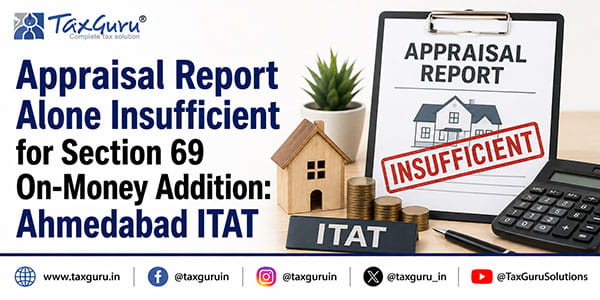
Appraisal Report Alone Insufficient for Section 69 On-Money Addition: Ahmedabad ITAT
ITAT Ahmedabad Quashes Section 263 Revision Over Change of Disallowance Provision
Debenture Redemption Reserve Not Book Profit Reserve Under Section 115JB: ITAT Ahmedabad
ITAT Quashes Reopening After 4 Years as Shortage Claim Was Already Examined

ITAT Deletes 200% Penalty on Disallowed Section 80GGC Political Donation Claim
Only Profit Element Taxable on Bogus Purchases if Sales Accepted: ITAT Ahmedabad
ITAT Ahmedabad Allows Depreciation on Slump Sale Intangibles, Deletes Interest Disallowance
ITAT Ahmedabad Accepts Foreign AEs as Tested Party, Remands TP Adjustment
ITAT Ahmedabad Allows Section 10(10B) Exemption Claim for BSNL VRS Compensation
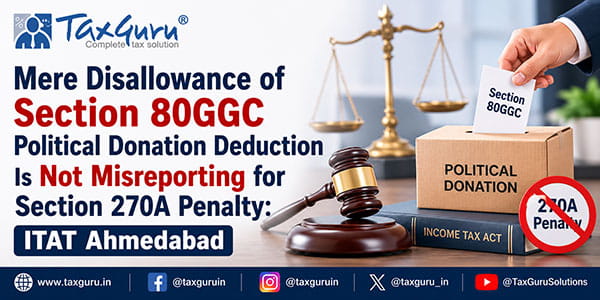
Mere Disallowance of Section 80GGC Political Donation Deduction Is Not Misreporting for Section 270A Penalty: ITAT Ahmedabad
Ahmedabad ITAT: AO Must Refer Disputed Stamp Duty Value to DVO Under Section 56(2)(x)
ITAT Grants Section 54F Exemption for Two Adjoining Residential Houses Used as One
8% of Unaccounted Sales Taxable, Not Entire Receipts: Ahmedabad ITAT
ITAT Ahmedabad judgments and orders provide an extensive source of appellate case law under the Income-tax Act. This page compiles ITAT Ahmedabad decisions dealing with assessments, additions, deductions, exemptions, business income, capital gains, unexplained income, reassessment, TDS, transfer pricing, penalties and procedural issues. Taxpayers, businesses, Chartered Accountants, advocates and tax professionals can use this dedicated page to research Tribunal precedents relevant to income-tax controversies. TaxGuru brings together recent and important earlier ITAT Ahmedabad case laws, making it easier to follow developments in direct tax jurisprudence and identify decisions relevant to assessments and appeals.

