
Courts: ITAT Delhi
Find latest ITAT Delhi judgments, orders and case laws on income tax covering assessments, transfer pricing, international taxation, deductions, TDS, reassessment and penalties.
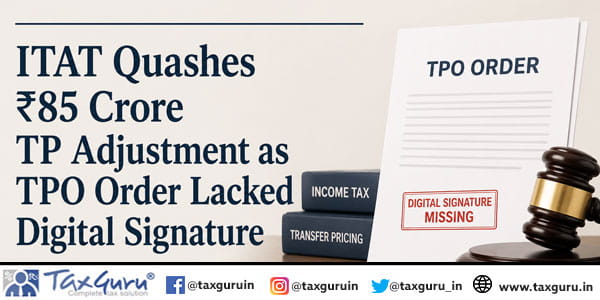
ITAT Quashes ₹85 Crore TP Adjustment as TPO Order Lacked Digital Signature

No Section 56(2)(viib) Addition if Share Premium Difference Fell Within 10% Safe Harbour: ITAT Delhi
ITAT Quashes Assessment as Section 143(2) Notice Was Issued by Non-Jurisdictional AO
No Section 69A Addition for Cash Deposits Explained by Disclosed Instrument Charges
AMP Expenditure Allowed as No Reimbursement Was Proved: ITAT Delhi
ITAT v Adopts CBDT-Approved APA Rate for Royalty and FTS ALP
Foreign Exchange Gain Is Operating Income as It Arises from Export of Services
Section 56(2)(viib) Addition Deleted as Shares Were Allotted to Existing Shareholders
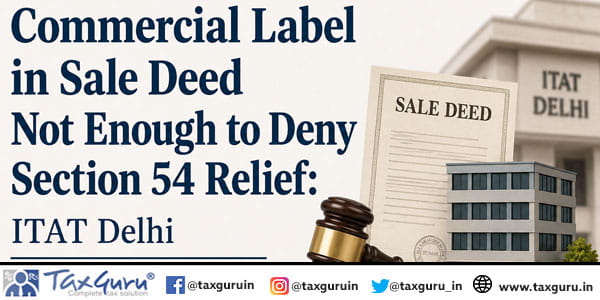
Commercial Label in Sale Deed Not Enough to Deny Section 54 Relief: ITAT Delhi
Directors’ Bonus Disallowance Cannot Be Made Through Section 154: ITAT Delhi
ITAT Quashes Section 153C Assessment as Satisfaction Note Lacked Year-Wise Incriminating Material
ITAT Allows Additional Depreciation on Dumpers as They Form Part of Plant & Machinery
Section 148 Notice quashed as Issuing Officer Had No Pecuniary Jurisdiction: ITAT Delhi
Reassessment Quashed as AO Failed to Decide Objections Before Assessment
ITAT Delhi judgments and orders constitute a substantial body of appellate case law under the Income-tax Act. This page compiles ITAT Delhi decisions concerning assessments, additions, deductions, exemptions, business income, capital gains, transfer pricing, international taxation, TDS, reassessment, unexplained income, penalties, limitation and procedural disputes. Companies, individuals, Chartered Accountants, advocates and tax professionals can use this collection to research Tribunal precedents relevant to income-tax matters. TaxGuru brings together recent and significant earlier ITAT Delhi judgments and orders, providing a convenient resource for following developments in direct tax jurisprudence and researching recurring issues arising in assessments and appeals.

