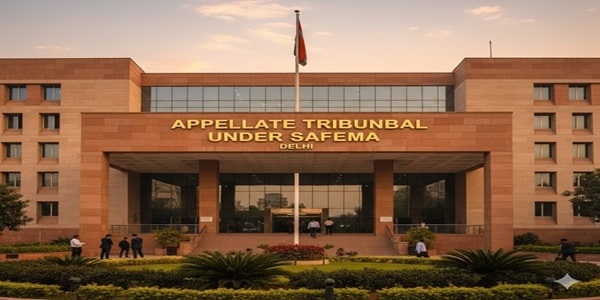
Micro Finance Industry Network Vs CIT(E) (ITAT Delhi)
Self-Regulatory Organizations (SROs) was eligible as Charitable Entities under “General Public Utility” (Section 2(15))
Conclusion: When an entity served both its members and the public, the “dominant object” test applies. If the regulatory functions lead to borrower protection and financial stability for low-income groups, the GPU status was maintainable. Entities seeking “General Public Utility” (GPU) status must maintain granular data on “direct benefit” activities (e.g., number of grievances resolved, number of workshops held) to counter allegations that they only serve their corporate members.
Held: Assessee – society recognized by RBI as a Self-Regulatory Organization (SRO) for NBFC-MFIs (Microfinance Institutions). The society sought registration under Section 12AB, asserting its objects were for “General Public Utility” (GPU). It highlighted activities such as financial literacy, borrower protection, a multi-lingual grievance redressal system, and workshops for self-help groups. Commissioner (Exemptions) rejected the application, contending that the society’s structure was commercial; its operations primarily benefited its members (profit-oriented NBFCs) rather than the general public; the activities did not satisfy the “advancement of any other object of general public utility” requirement under Section 2(15). Assessee argued that its regulatory oversight and borrower-centric programs directly benefited the poorest households, which constituted a public charitable purpose. It was held that Tribunal remanded the matter back to the CIT (Exemptions) for fresh consideration as Commissioner rejected the claim by merely stating there was no public benefit, without conducting a factual inquiry into whether the activities were actually in the nature of “trade, commerce, or business. Tribunal noted that assessee provided tangible services to end-users (the poor), such as a toll-free grievance system in 12 languages and surveillance to protect borrowers. These activities indicate a public utility function. Simply because an organization had members who were profit-oriented did not automatically disqualify the organization itself from being charitable, provided its primary objects and activities serve the public interest. Commissioner raised queries regarding the commercial proviso (which limits GPU entities if they engage in business exceeding 20% of total receipts) but failed to formally invoke or analyze it after receiving assessee’s response. Merely stating that assessee was not involved in any public benefit programmes and unless it was engaged in trade or commerce or business was to be reckoned as a charitable entity under the ‘general public utility’ under the provision of Section 2(15), the claim of the assessee was again required to be revisited by CIT(E) keeping in view the ratio laid down by the Hon’ble Apex Court in the matter of CIT vs. Ahmedabad Urban Development Authority.