
Courts: All ITAT
Read latest ITAT judgments and orders on Income Tax, including assessments, deductions, TDS, capital gains, transfer pricing, penalties and other tax disputes.

ITAT Deletes TDS Demand on Stockist Discounts, ESOPs & MSME Interest
Income Tax Demand Cannot Be Through Computation Sheet: Bangalore ITAT
Bogus Purchase deleted Addition Despite GST Investigation Report: Jodhpur ITAT

ITAT Remands Section 69A Addition Over Mother-in-Law’s Liquor Business Cash
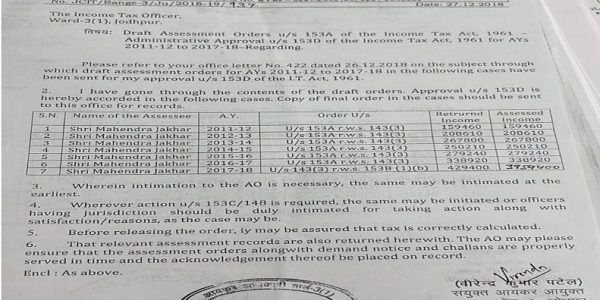
Jodhpur ITAT Quashes Search Assessment for Mechanical Section 153D Approval
Penny Stock LTCG Exemption Cannot Be Denied Solely on Investigation Wing Report: ITAT Mumbai
LTCG Exemption Cannot Be Denied Solely on Investigation Wing Report: ITAT Mumbai
Bona Fide ITR Mistake Should Not Deny Partner’s Remuneration Deduction: ITAT Ahmedabad

ITAT Annuls Section 153C Assessments for Common Satisfaction Note Across Assessment Years

ITAT Kolkata Quashes Section 263 Revision for Lack of Error & Revenue Prejudice

ITAT Ahmedabad Deletes Section 68 Addition on Shree Shaleen LTCG
ITAT Mumbai Upholds Tax on Notional Rent for Unsold Flats Held as Stock-in-Trade

ITAT Restricts Demonetisation Cash Deposit Addition to ₹5 Lakh, Rejects Section 115BBE Tax
ITAT Ahmedabad Allows Normal Tax Rates for Charitable Trust Without Section 12A Registration
All ITAT brings together Income Tax Appellate Tribunal judgments and orders from ITAT benches across India. The archive covers income-tax disputes involving assessments and reassessments, business income, deductions, exemptions, capital gains, TDS, transfer pricing, international taxation, penalties, unexplained income, search assessments and other provisions of the Income-tax Act. Chartered Accountants, advocates, tax professionals, businesses and taxpayers can use this consolidated TaxGuru category to research ITAT precedents across different benches and follow developments in income-tax jurisprudence. Individual ITAT bench categories are also available for location-specific decisions.

