
Courts: All ITAT
Read latest ITAT judgments and orders on Income Tax, including assessments, deductions, TDS, capital gains, transfer pricing, penalties and other tax disputes.

ITAT Panaji Allows Section 54 Deduction Despite Delayed Occupancy Certificate

ITAT Deletes Section 56(2)(x) Addition as DVO Value Difference Was 4%

ITAT Mumbai Allows 10% Tolerance Band for Property Stamp Duty Difference
ITAT Mumbai Deletes Section 56(2)(x) Property Addition Within 10% Tolerance Limit

ITAT Allows 10% Safe Harbour Retrospectively Under Section 56(2)(x)
Amritsar ITAT: Schooling Is Charitable, Restores Section 12AB Application for Fresh Consideration
Amritsar ITAT: Section 12AB Rejection Requires Rebuttal Opportunity; Medical Facility Is Charitable Activity

ITAT Pune Stays ₹4.11 Cr Tax Demand Over Frozen RERA Account
ITAT Kolkata: Suspicion Alone Cannot Justify Bogus LTCG Addition
ITAT Mumbai: Three-Year Outstanding Liability Not Cessation Under Section 41(1)

ITAT Mumbai: Investigation Report Alone Cannot Sustain Penny Stock Addition
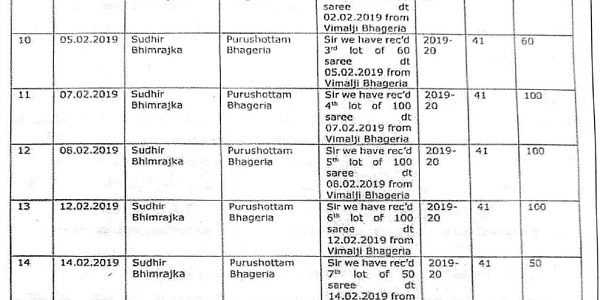
ITAT Delhi Deletes ₹5.90 Crore Section 68 Addition for Lack of Evidence

ITAT Mumbai Quashes ₹86.40 Crore Dividend Adjustment Under Section 143(1)
ITAT Mumbai Allows Section 11 Benefit as Form 9A Was Filed During Assessment
All ITAT brings together Income Tax Appellate Tribunal judgments and orders from ITAT benches across India. The archive covers income-tax disputes involving assessments and reassessments, business income, deductions, exemptions, capital gains, TDS, transfer pricing, international taxation, penalties, unexplained income, search assessments and other provisions of the Income-tax Act. Chartered Accountants, advocates, tax professionals, businesses and taxpayers can use this consolidated TaxGuru category to research ITAT precedents across different benches and follow developments in income-tax jurisprudence. Individual ITAT bench categories are also available for location-specific decisions.

