
Courts: All High Courts
Read latest High Court judgments and orders on Income Tax, GST, Customs, Company Law and other taxation, corporate, commercial and regulatory matters.

Medical & Family Circumstances Justify Condonation of GST Appeal Delay: Rajasthan HC

Father’s Serious Illness Justifies Condonation of GST Appeal Delay: Rajasthan HC
Delayed GST Cancellation Appeal Must Be Decided on Merits: Rajasthan HC
Belated GSTR-3B Cannot Revive Expired GST Appellate Remedy: Rajasthan HC

MVAT Dues Outside Approved Resolution Plan Stand Extinguished: Bombay HC

Bombay HC Orders Rs. 3.25 Cr Section 244A Interest Payment with 6% Compensation
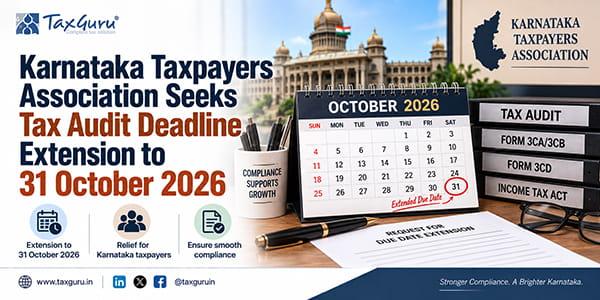
Karnataka HC Rejects ₹10 Crore Addition Based on Uncorroborated Loose Sheet

Mere Absence of Eyewitness Cannot Defeat Railway Compensation Claim: Delhi HC

AY 2015-16 Reassessment Notices Issued After 1 April 2021 Must Be Dropped: Karnataka HC

Software Product Company Not Comparable to Captive Service Provider: Karnataka HC
Higher AE Margin Leaves No Scope for TP Adjustment: Karnataka HC
Cash Deposits Cannot Be Deemed Unexplained Without Examining Records: Karnataka HC
Karnataka HC Quashes Ex Parte Reassessment and Restores Proceedings for Fresh Response
High Court Cannot Rework Comparables Like a TPO: Karnataka HC
All High Courts brings together judgments and orders of High Courts across India published on TaxGuru. The archive covers Income Tax, GST, Customs, Company Law, Corporate Law, insolvency, commercial laws and other taxation and regulatory matters. Readers can research important questions of law, constitutional challenges, writ petitions, statutory appeals and other proceedings decided by different High Courts. Chartered Accountants, advocates, tax professionals, businesses and legal researchers can use this consolidated archive to follow High Court jurisprudence across India. Separate High Court categories are available for court-specific judgments and orders.

