

Articles by this Author
Income Tax
Income Tax
Capital Continuity Proved, ₹10.63 Crore Section 68 Addition Deleted
Income Tax
Income Tax
Section 270A Penalty Invalid for Not Specifying Applicable Limb
Income Tax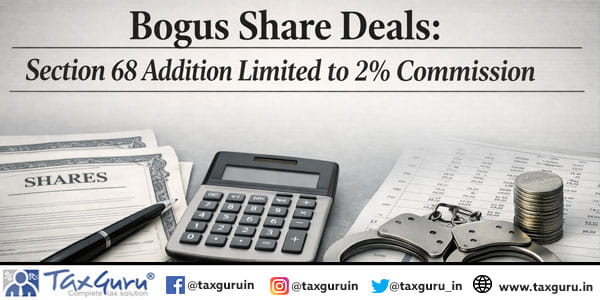
Income Tax
Bogus Share Deals: Section 68 Addition Limited to 2% Commission
DGFT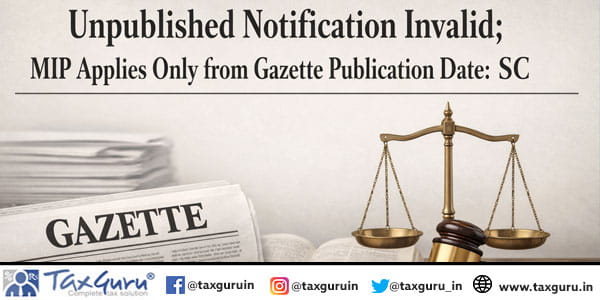
DGFT
Unpublished Notification Invalid; MIP Applies Only from Gazette Publication Date: SC
Income Tax
Income Tax
DRP assessment quashed as time-barred – Section 153 overrides Section 144C timelines
Income Tax
Income Tax
No TDS Liability on Foreign Commission as Income Not Taxable in India
Income Tax
Income Tax
Assessment Quashed as U/s 143(2) Issued by Wrong Jurisdictional AO: ITAT Kolkata
Income Tax
Income Tax
Section 115BBE Inapplicable After Cash Credit Deletion
Income Tax
Income Tax
Section 11(2) Accumulation Allowed Despite Vague Form 10: ITAT Mumbai
Income Tax
Income Tax
Penalty u/s 271AAC cannot survive once Section 69 addition is deleted in quantum
Income Tax
Income Tax
Section 271(1)(c) Penalty Invalid for Non-Specification of Charge: ITAT Agra
Income Tax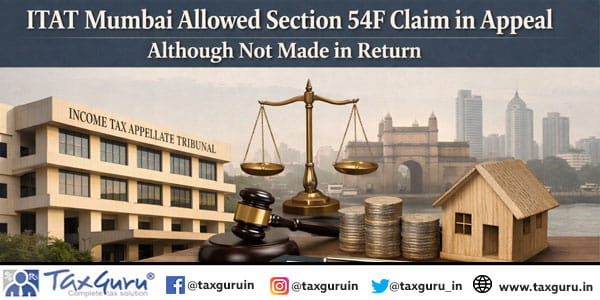
Income Tax
ITAT Mumbai Allowed Section 54F Claim in Appeal although Not Made in Return
Income Tax
Income Tax
Assessment Held Void for Skipping Statutory Notice Under Section 143(2): ITAT Agra
Income Tax
Income Tax

