

Articles by this Author
Income Tax
Income Tax
Survey Disclosure Accepted in Return Cannot Trigger Section 270A Penalty: ITAT Mumbai
Income Tax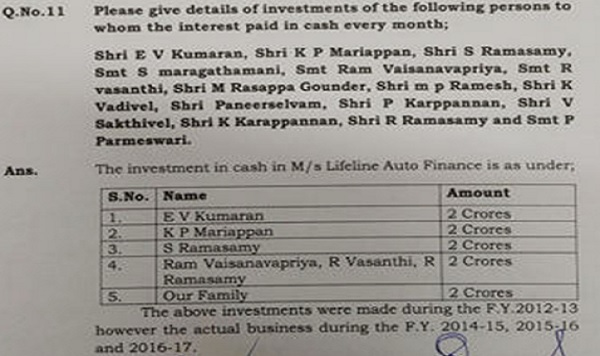
Income Tax
₹2 Crore Section 69 Addition Quashed Due to Uncorroborated Loose Sheets
Income Tax
Income Tax
Reassessment Addition Based Solely on Retracted Third-Party Statements Quashed: ITAT Mumbai
Income Tax
Income Tax
Reassessment Quashed for Failure to Record Reasons Under Section 148: ITAT Mumbai
Income Tax
Income Tax
Loose Sheets + Retracted Statement Not Enough for 69A On-Money Addition: ITAT Chennai
Income Tax
Income Tax
Section 163 Inapplicable Without Direct or Indirect Income Flow to NRI: ITAT Hyderabad
Corporate Law
Corporate Law
NCLT Cannot Decide Trademark Title Disputes Dehors Insolvency Process: SC
Income Tax
Income Tax
Turnover Suppression Found, But Only Profit Element Taxable: ITAT Patna
Income Tax
Income Tax
No Adverse Inference Allowed Without Rejecting Books or Stock Records
Income Tax
Income Tax
Section 143(3) Order Invalid as Assessment Had Abated on Search Date
Income Tax
Income Tax
Corpus Fund Withdrawal Not Taxable When Used for Charitable Objects: ITAT Chennai
Income Tax
Income Tax
Reassessment Beyond 3 Years Upheld as Escapement Exceeded ₹50 Lakh — Cash Deposits u/s 69A
Income Tax
Income Tax
Section 270A Penalty Deleted for Suo Motu Withdrawal of Education Cess Claim
Income Tax
Income Tax

