

Articles by this Author
Income Tax
Income Tax
ITAT Delhi Allows Section 115BAC Benefit Despite Belated Income Tax Return
Income Tax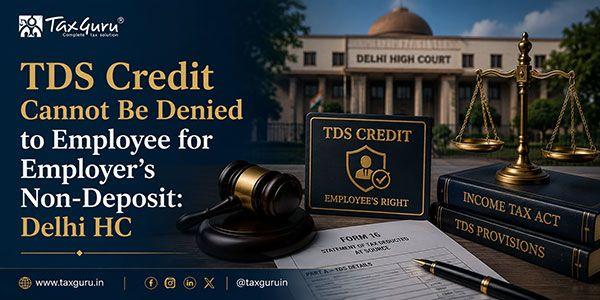
Income Tax
TDS Credit Cannot Be Denied to Employee for Employer’s Non-Deposit: Delhi HC
Income Tax
Income Tax
ITAT Surat Quashes Reassessment Notice Issued to Deceased Assessee
Income Tax
Income Tax
Entire Income Tax Refund Cannot Be Withheld Against Small Demand: Delhi HC
Income Tax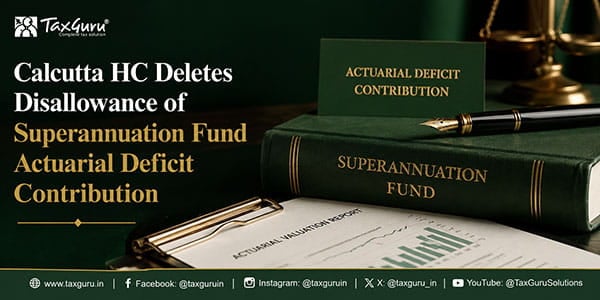
Income Tax
Calcutta HC Deletes Disallowance of Superannuation Fund Actuarial Deficit Contribution
Income Tax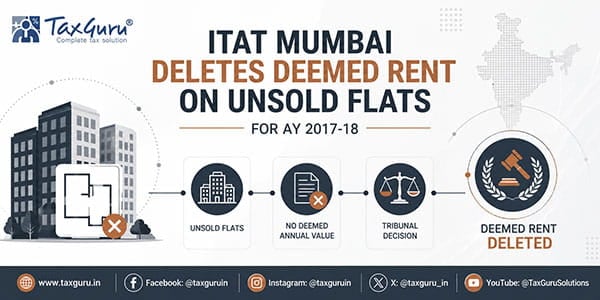
Income Tax
ITAT Mumbai Deletes Deemed Rent on Unsold Flats for AY 2017-18
Income Tax
Income Tax
ITAT Dehradun Sets Aside 200% Section 270A Penalty Levied Without Specific Reasons
Income Tax
Income Tax
Delhi HC Upholds Deletion of Section 68 Addition Made in Wrong Assessment Year
Income Tax
Income Tax
Section 260A Appeal Delay Condoned as Departmental Process Held Bona Fide: Bombay HC
Income Tax
Income Tax
Madras HC Upholds Assessment Where Section 127 Transfer Order Was Not Denied
Income Tax
Income Tax
Bombay HC Quashes Section 127 Transfer After Search Assessment Already Completed
Income Tax
Income Tax
Wife’s Jewellery Not Taxable in Husband’s Hands: ITAT Nagpur Deletes Addition
Income Tax
Income Tax
GST Exclusion from Turnover for Tax Audit Penalty: Mumbai ITAT Deletes Section 271B Penalty
Income Tax
Income Tax

