
Type: Trending
3,627 articlesIncome Tax
Income Tax
ITAT Ahmedabad Deletes Bogus Purchase Addition Despite Survey Admission of Seller
Income Tax
Income Tax
ITAT Kolkata Quashes Reopening for Unsigned Section 148 Notice, No Disclosure Failure
Income Tax
Income Tax
Bank Statement Enough to Test Loan Creditworthiness: ITAT Delhi deletes Section 68 Addition
Income Tax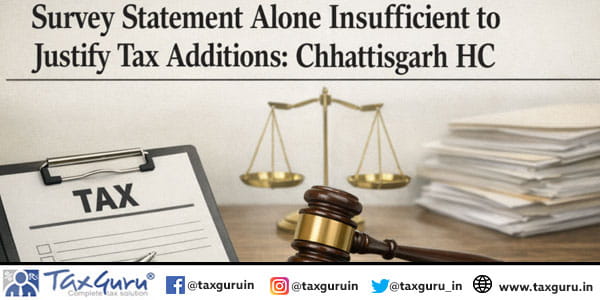
Income Tax
Survey Statement Alone Insufficient to Justify Tax Additions: Chhattisgarh HC
Fema / RBI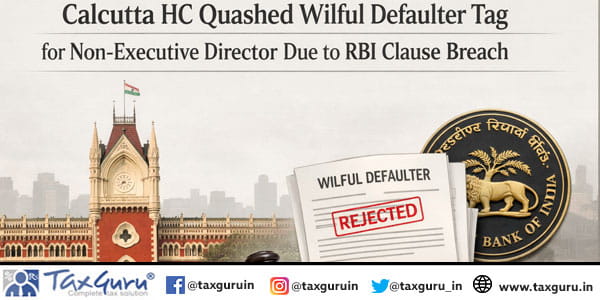
Fema / RBI
Calcutta HC Quashed Wilful Defaulter Tag for Non-Executive Director Due to RBI Clause Breach
Income Tax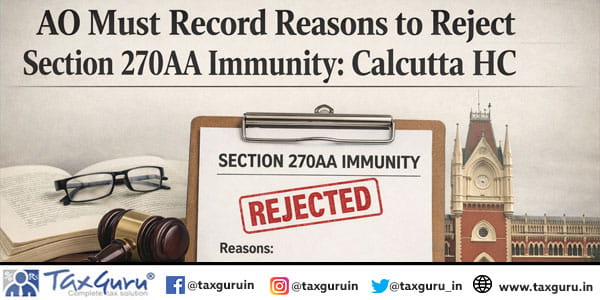
Income Tax
AO Must Record Reasons to Reject Section 270AA Immunity: Calcutta HC
Corporate Law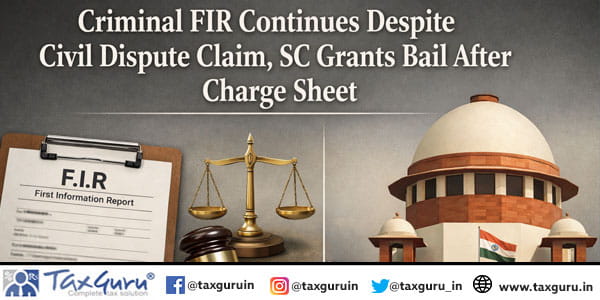
Corporate Law
Criminal FIR Continues Despite Civil Dispute Claim, SC Grants Bail After Charge Sheet
Goods and Services Tax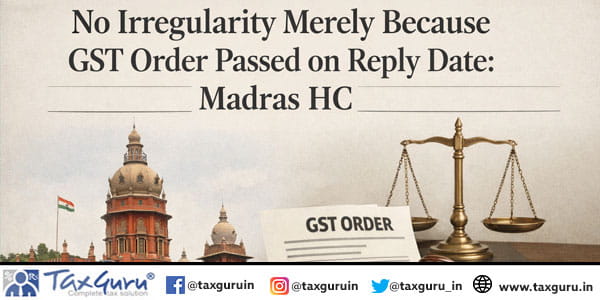
Goods and Services Tax
No Irregularity Merely Because GST Order Passed on reply date: Madras HC
Goods and Services Tax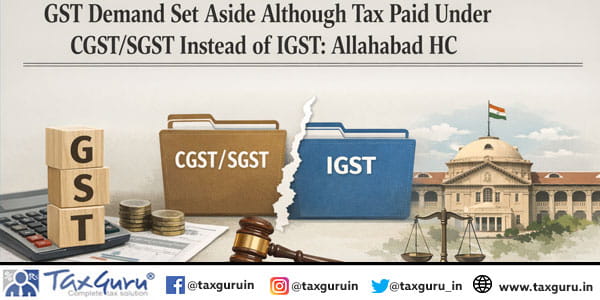
Goods and Services Tax
GST Demand Set Aside although Tax Paid Under CGST/SGST Instead of IGST: Allahabad HC
Income Tax
Income Tax
Entire Bogus Purchase Disallowance Rejected When Books Not Rejected: ITAT Pune
Income Tax
Income Tax
Appeal Cannot Be Dismissed for Typographical Error in Form 35: ITAT Hyderabad
Goods and Services Tax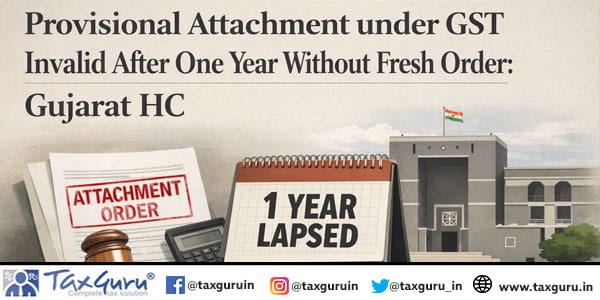
Goods and Services Tax
Provisional Attachment under GST Invalid After One Year Without Fresh Order: Gujarat HC
Income Tax
Income Tax
Mechanical Reliance on Suspicious Transaction Report: Gujarat HC Quashes Section 148 Reassessment Notice
Goods and Services Tax
Goods and Services Tax

