
Type: Trending
3,624 articlesIncome Tax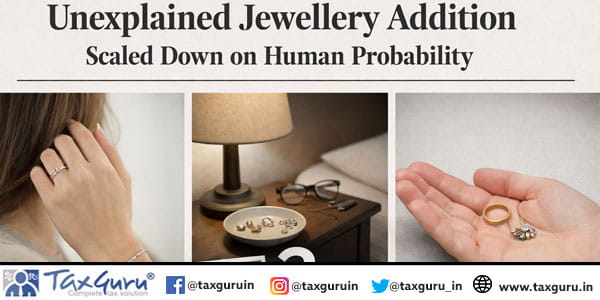
Income Tax
Unexplained Jewellery Addition Scaled Down on Human Probability
Income Tax
Income Tax
Second Reopening u/s 147 Quashed as Change of Opinion—Section 54F Deduction Cannot Be Revisited Without New Material
Company Law
Company Law
CLB Lacked Power to Condon Delay Under Companies Act 2013: SC
Income Tax
Income Tax
ITAT Mumbai deleted Bogus LTCG additions for Lack of Direct Evidence
Corporate Law
Corporate Law
Labour Codes 2025 Change Pay Structures as 50% Wage Rule Applies
Income Tax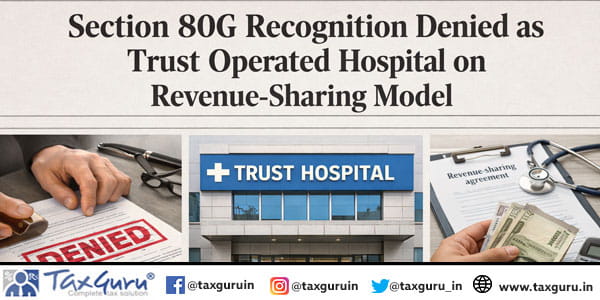
Income Tax
Section 80G Recognition Denied as Trust Operated Hospital on Revenue-Sharing Model
Custom Duty
Custom Duty
Aluminium Shelves Classifiable as Structures Because They Lack Mechanical Function: SC
Custom Duty
Custom Duty
SEZ Electricity Not Liable to Customs Duty Due to No Import Event: SC
Income Tax
Income Tax
Bogus Purchase Addition Deleted Where Documentary Evidence Supports Transactions
Income Tax
Income Tax
Accommodation Entries Taxable Only on Commission, Not Gross Credits
Income Tax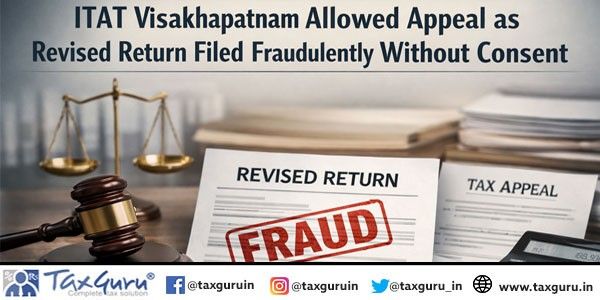
Income Tax
ITAT Visakhapatnam Allowed Appeal as Revised Return Filed Fraudulently Without Consent
Custom Duty
Custom Duty
Wedding Visits Do Not Justify Bringing 500 Grams of Undeclared Gold: Delhi HC
Income Tax
Income Tax
Six-Year Limit Under Section 153C Runs From Document Handover, Not Search Date
Income Tax
Income Tax

