
Type: Trending
3,627 articlesIncome Tax
Income Tax
Penny Stock Allegation fails without direct evidence: ITAT deletes addition on Exempt LTCG
Corporate Law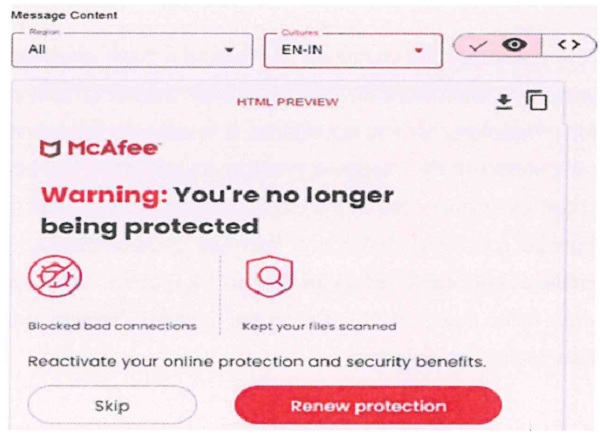
Corporate Law
CCPA Imposes Penalty on McAfee as “Accept Risk” Renewal Prompt Was Dark Pattern: CCPA
Income Tax
Income Tax
Reassessment Quashed as Reasons Recorded Contained Wrong Return Date & Income Figures
SEBI
SEBI
Large futures positions alone cannot establish Share Price manipulation/Fraud: SC
Goods and Services Tax
Goods and Services Tax
Parallel GST Proceedings Cannot Continue as Section 6(2)(b) Bars Duplicate Adjudication
Goods and Services Tax
Goods and Services Tax
Retrospective GST Registration Cancellation Quashed as SCN Did Not Propose It
Income Tax
Income Tax
Real Estate Company Not a Shell Entity Merely Due to Low Turnover and Profits
Income Tax
Income Tax
Section 68 Addition Deleted as Revenue Failed to Prove Round-Tripping by Assessee
Income Tax
Income Tax
IPL Franchise Fees, Celebrity Hospitality and Website Expenses allowed as Revenue Expenditure
Corporate Law
Corporate Law
CCPA Imposes ₹7 Lakh Penalty Over Misleading UPSC Result Claims
Income Tax
Income Tax
ITAT Quashes Section 154 Rectification as Section 270AA Immunity Gave Finality to Assessment
Income Tax
Income Tax
ITAT Remands Section 80GGC Claim as Political Donation Verification Was Incomplete
Excise Duty
Excise Duty
CESTAT Sets Aside Excise Demands as Stock Shortages Were Based Only on Eye Estimation
Income Tax
Income Tax

