
Type: Trending
3,627 articlesIncome Tax
Income Tax
No Section 270A Penalty if AO Did Not Specify Under-Reporting or Misreporting
Income Tax
Income Tax
ITAT Deletes Section 69 Addition as Seized Loose Sheet Was a Dumb Document
Income Tax
Income Tax
Section 279 TDS Default Prosecution Approval Quashed as Reasons Were Not Recorded
Income Tax
Income Tax
Sale of Ancestral Property Taxable as Capital Gains not as Income from Other Sources
Income Tax
Income Tax
Cash Deposits in Old Notes Alone Cannot Justify Section 69A Addition: ITAT Ahmedabad
Income Tax
Income Tax
Compensation under Early Retirement Scheme cannot be taxed as profits in lieu of salary
Corporate Law
Corporate Law
Appeal Dismissed as Society Levied Maintenance on Square-Foot Basis Without Transparency
Income Tax
Income Tax
Section 68 Addition Upheld as Loans Were Accommodation Entries: ITAT Mumbai
Income Tax
Income Tax
ITAT Allows Deduction for Hidden Expenditure as Entire On-Money Cannot Be Taxed
Goods and Services Tax
Goods and Services Tax
Madras HC Quashes GST Assessment as Order Was Issued Before Response Deadline
Corporate Law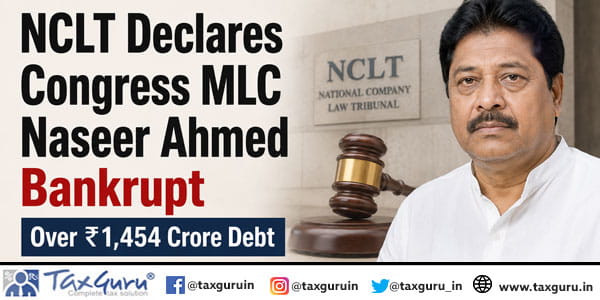
Corporate Law
NCLT Declares Congress MLC Naseer Ahmed Bankrupt Over ₹1,454 Crore Debt
Income Tax
Income Tax
CSR Donation Eligible for Section 80G Deduction: ITAT Delhi
Income Tax
Income Tax
ITAT Grants Fresh Hearing but Imposes Cost as Different Email Does Not Excuse Earlier Non-Compliance
Income Tax
Income Tax

