
Type: Trending
3,627 articlesCorporate Law
Corporate Law
IBC Cannot Be Used to Recover NH-10 Movie Revenue-Sharing Dues: NCLT
Income Tax
Income Tax
Pune ITAT Deletes ₹44.80 Crore Angel Tax Addition; AO Cannot Replace Assessee’s DCF Valuation with NAV Method
Income Tax
Income Tax
Pune ITAT Deletes ₹4.02 Crore ‘On-Money’ Addition; Third-Party Statements and Dumb Documents Not Enough
Income Tax
Income Tax
Pune ITAT Deletes ₹50 Lakh Penalty U/s 271D; Third-Party Statement Alone Cannot Prove Cash Loan
Corporate Law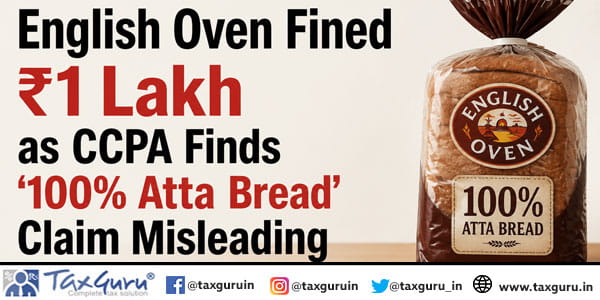
Corporate Law
English Oven Fined ₹1 Lakh as CCPA Finds ‘100% Atta Bread’ Claim Misleading
Income Tax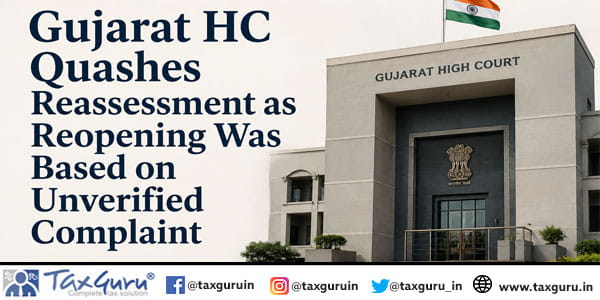
Income Tax
Gujarat HC Quashes Reassessment as Reopening Was Based on Unverified Complaint
Income Tax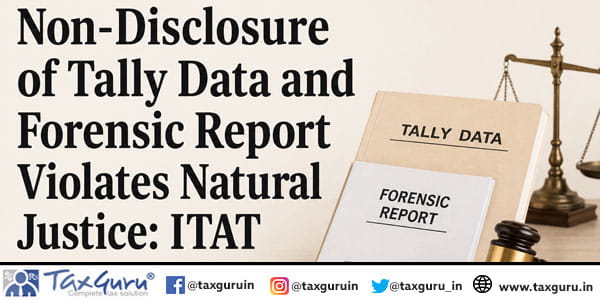
Income Tax
Non-Disclosure of Tally Data and Forensic Report Violates Natural Justice: ITAT Kolkata
Income Tax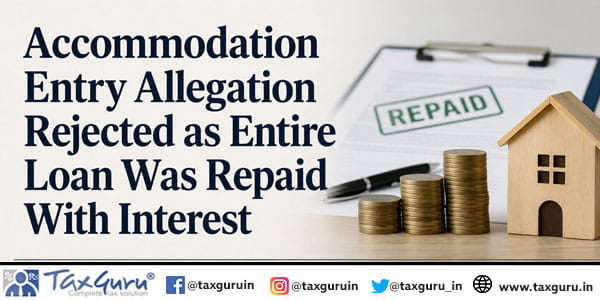
Income Tax
Accommodation Entry Allegation Rejected as Entire Loan Was Repaid With Interest
Income Tax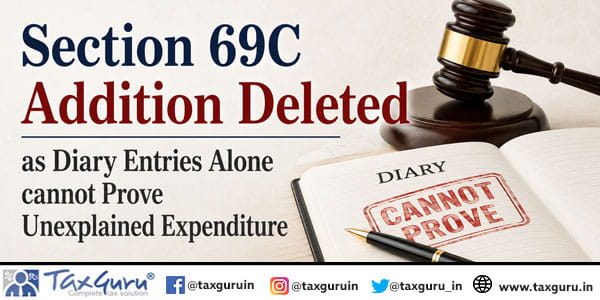
Income Tax
Section 69C Addition Deleted as Diary Entries Alone cannot Prove Unexplained Expenditure
Income Tax
Income Tax
Family Cash Transactions Cannot Attract Sections 271D & 271E Penalty: ITAT Rajkot
Income Tax
Income Tax
ITAT Deletes ₹18.24 Crore Addition as Corrupted Computer Records cannot Override Audited Books
Income Tax
Income Tax
ITAT Deletes 200% Penalty as Consultant’s Error Was a Bona Fide Arithmetical Mistake
Income Tax
Income Tax
Assessment Order Quashed as 3-Hour Notice for Video Hearing Violated Natural Justice
Goods and Services Tax
Goods and Services Tax

