
Type: Trending
3,627 articlesGoods and Services Tax
Goods and Services Tax
Assistant Commissioner Lacked Jurisdiction Over DGGI GST Notice: Madras HC
Income Tax
Income Tax
Section 68 Addition Deleted as Earlier Accepted Shares Can’t Be Held Bogus: ITAT Kolkata
Service Tax
Service Tax
CESTAT Sets Aside Service Tax Demand as CBDT Data Alone cannot Establish Taxable Services
Income Tax
Income Tax
ITAT Deletes Section 271D Penalty as AO Did Not Record Satisfaction
Company Law
Company Law
Rates of depreciation as per Companies Act, 2013
Income Tax
Income Tax
Section 68 Addition Deleted as Creditworthiness Depends on Ability to Arrange Funds
Corporate Law
Corporate Law
Former MLA Gets Anticipatory Bail, Husband Denied in Alleged ₹100 Crore DA Case
Income Tax
Income Tax
Section 54 Exemption Available for Every House Sold: Bengaluru ITAT
Income Tax
Income Tax
Mere Non-Deposit in Capital Gains Account Scheme Not Fatal to Section 54F Claim
Income Tax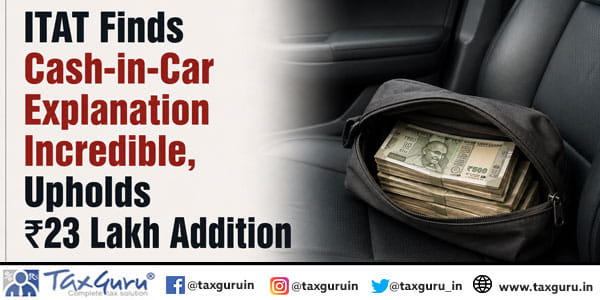
Income Tax
ITAT Finds Cash-in-Car Explanation Incredible, Upholds ₹23 Lakh Addition
Goods and Services Tax
Goods and Services Tax
Recommendation of GST Council Essential For Issuing Notification/Rules: Madras HC
Goods and Services Tax
Goods and Services Tax
Section 74 GST Notices Cannot Fail Solely Because Multiple Financial Years Are Covered: Madras HC
Income Tax
Income Tax
ITAT Grants Section 87A Rebate on Special Rate STCG Tax as Total Income Qualified
Income Tax
Income Tax

