
Type: Notifications/Circulars
Find latest notifications, circulars, instructions, orders, guidelines, directions, press releases and regulatory updates across tax, corporate, finance and business laws.

Banks Must impound Fake Notes, ATM Dispensation of Fake Notes to Attract Penalty: RBI
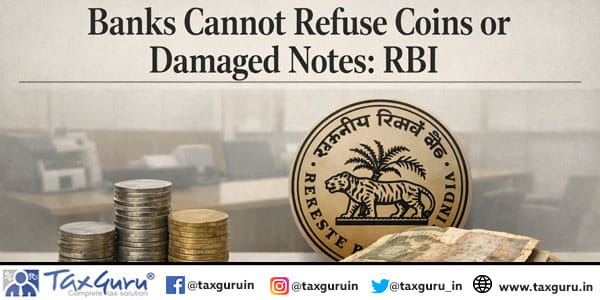
Banks Cannot Refuse Coins or Damaged Notes: RBI
RBI Bars Non-Deliverable INR Derivatives to Curb Forex Risk

Faceless Assessment Mandated for SEZ to DTA Clearances for Concessional Duty Benefit
AIDC Exemption on Ammonium Nitrate Announced Till 30th June 2026
Customs Duty Waived on 40 Key Petrochemicals Products till 30 June 2026

₹4 Lakh Penalty for Failure to Appoint Woman Director Under Companies Act
ROC imposes Penalty for Failure to Appoint Eligible Independent Director
Penalty Imposed for Failure to Appoint Independent Director from IICA Databank
ROC imposes penalties for appointing Independent Director not listed in IICA databank
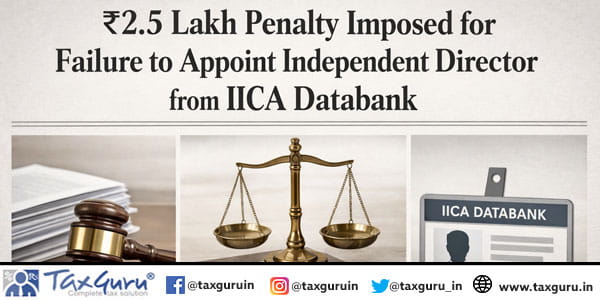
₹2.5 Lakh Penalty Imposed for Failure to Appoint Independent Director from IICA databank
Penalty Imposed Due to Delay in Filing MGT-6 for Beneficial Ownership Disclosure
Penalty Imposed Due to Delay in Filing MGT-14 Beyond Statutory Deadline
Delay in Filing Significant Beneficial Ownership- MCA imposes ₹7 Lakh Penalty
Notifications/Circulars is TaxGuru’s central archive of statutory, departmental and regulatory documents. It brings together notifications, circulars, instructions, guidelines, orders, master circulars, master directions, press releases, public notices, regulations and trade notices covering Income Tax, GST, Customs, Company Law, Corporate Law, DGFT, Excise, Service Tax, FEMA/RBI, SEBI, finance and professional matters concerning CA, CS and CMA. Readers can use the archive and its existing subcategories to locate official and regulatory developments relevant to different subjects covered by TaxGuru.

