
Type: Notifications/Circulars
Find latest notifications, circulars, instructions, orders, guidelines, directions, press releases and regulatory updates across tax, corporate, finance and business laws.

Penalty Reduced as CIN Non-Disclosure Held Not a Continuous Default

Duty Drawback Rate of Gold jewellery & Silver Jewellery/Articles revised

SEBI allows net settlement of funds for transactions done by FPIs in cash market
Hirnoda (Jaipur) Notified for Import Export Handling, Kishangarh Entry Renumbered
Instructions for time bound processing of RoDTEP and RoSCTL scrolls
Penalty Imposed for Failure to File PAS-3 Details Under Rule 14(6)
MCA imposes Penalty for failure to disclose allottee occupation in PAS-3 returns
Incomplete PAS-3 Disclosure Leads to Penalty Under Companies Act

FDI Company Profits Rise Despite Slower Sales Growth Due to Lower Interest Costs: RBI
RBI Issues Draft PPI Rules to Strengthen Digital Payment Security Framework
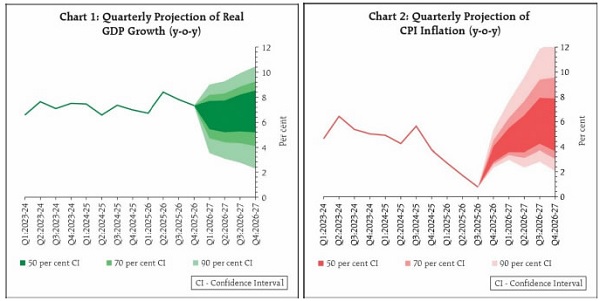
Rising Global Uncertainty: Why Repo Rate Was Kept Unchanged at 5.25%

Tamil Nadu GST Circular Shifts LTU Adjudication to Deputy Commissioners
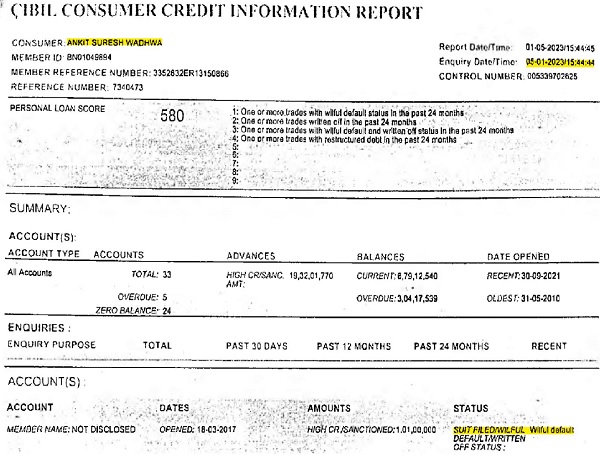
Failure to Verify Wilful Defaulter Status Leads to 2-Year Suspension of IP

Ship Leasing Rules Amended Due to Ban on Asset Management Services in IFSCs
Notifications/Circulars is TaxGuru’s central archive of statutory, departmental and regulatory documents. It brings together notifications, circulars, instructions, guidelines, orders, master circulars, master directions, press releases, public notices, regulations and trade notices covering Income Tax, GST, Customs, Company Law, Corporate Law, DGFT, Excise, Service Tax, FEMA/RBI, SEBI, finance and professional matters concerning CA, CS and CMA. Readers can use the archive and its existing subcategories to locate official and regulatory developments relevant to different subjects covered by TaxGuru.

