
#Section 69A
Log in to FollowLatest Section 69A updates, provisions, case laws, compliance requirements, tax implications and expert analysis under Income-tax law on TaxGuru.
Income Tax
Income Tax
Cash Deposit Not Unexplained Merely Due to Improbable Earlier Withdrawal Retention: Bangalore ITAT
Income Tax
Income Tax
ITAT Jaipur Quashes Non-Resident Reassessment Over Failure to Follow Section 144C
Income Tax
Income Tax
ITAT Agra Deletes Demonetization Cash Addition After Accepting Past Withdrawals
Income Tax
Income Tax
Jaipur ITAT: Explained Bank Credits Not Taxable U/s 69A for AO Non-Compliance
Income Tax
Income Tax
Madras HC: Investigation Wing Information Alone Cannot Justify Reassessment
Income Tax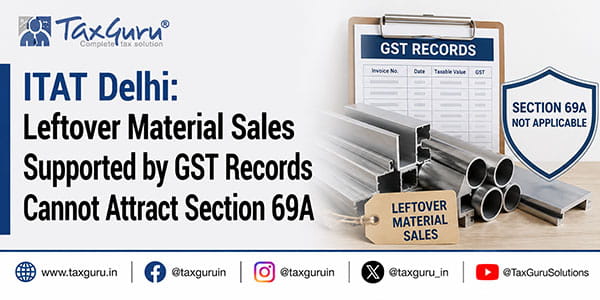
Income Tax
ITAT Delhi: Leftover Material Sales Supported by GST Records Cannot Attract Section 69A
Income Tax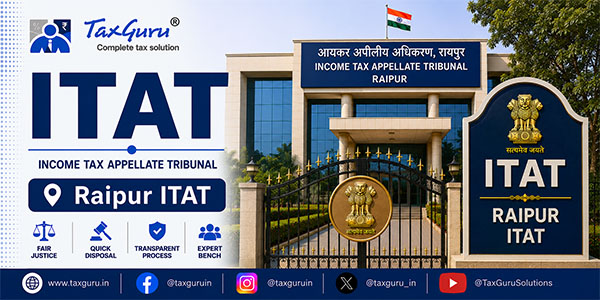
Income Tax
ITAT Raipur Quashes Reassessment Where PCIT Approved Notice Beyond Three Years
Income Tax
Income Tax
ITAT Chennai Deletes Section 69A Addition Cash Deposit Supported by Business Records
Income Tax
Income Tax
Lucknow ITAT: Sales Spike Alone Cannot Tax Demonetisation Cash as Unexplained
Income Tax
Income Tax
Hyderabad ITAT: 60% Section 115BBE Rate Inapplicable to AY 2017-18
Income Tax
Income Tax
Hyderabad ITAT: Appeal Delay Impliedly Condoned When CIT(A) Decides Case on Merits
Income Tax
Income Tax
Hyderabad ITAT: ₹12.69 Lakh Demonetisation Cash Addition Deleted for Explained Bank Withdrawals
Income Tax
Income Tax
Demonetisation Cash Deposits from Recorded Sales Not Taxable under Section 115BBE: ITAT Chennai
Income Tax
Income Tax
ITAT Hyderabad: 60% Tax Rate under Section 115BBE Applies to AY 2017-18
Explore the latest Section 69A updates on TaxGuru, including relevant Income-tax Act provisions, rules, notifications, circulars, judicial decisions and compliance guidance. The coverage highlights important tax positions, procedural requirements, assessments, deductions, penalties and litigation developments to help taxpayers and professionals understand the practical implications of changes in income-tax law.

