
#Section 69A
Log in to FollowLatest Section 69A updates, provisions, case laws, compliance requirements, tax implications and expert analysis under Income-tax law on TaxGuru.
Income Tax
Income Tax
Nagpur ITAT: ₹71.76 Lakh U/s 69A Addition Remanded Over Disputed Bank Account Ownership
Income Tax
Income Tax
ITAT Bangalore Quashes Section 263 Revision Over Partner Remuneration Deduction
Income Tax
Income Tax
Ahmedabad ITAT: Ex-Parte Order Set Aside, ₹35.50 Lakh Deposit Issues Remanded
Income Tax
Income Tax
Ahmedabad ITAT: ₹13.68 Crore Demonetisation Deposits Not Taxable u/s 69A on Suspicion Alone
Income Tax
Income Tax
Pune ITAT: Income Already Taxed Cannot Be Added Again as Unexplained Money
Income Tax
Income Tax
Pune ITAT: Cash Deposits Taxation Reduced by ₹5 Lakh; Peak-Credit Theory Rejected
Income Tax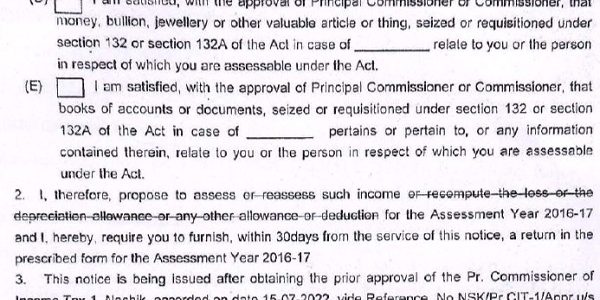
Income Tax
Pune ITAT: AY 2016-17 Reassessment Quashed; PCIT Sanction Invalid Beyond 3 Years
Income Tax
Income Tax
Mumbai ITAT: 19 Search Appeals Restored for 153A, 153D Approval & Limitation Review
Income Tax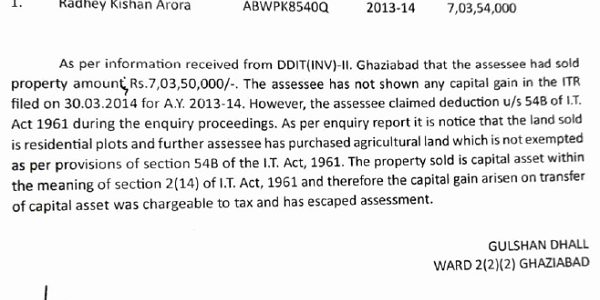
Income Tax
ITAT Delhi Quashes Reopening Where No Addition Was Made on Recorded Reasons
Income Tax
Income Tax
Cash Found in Locker Explained by Assessee, Section 69A Addition Deleted: ITAT Mumbai
Income Tax
Income Tax
ITAT Jaipur Deletes Cash Additions on Telescoping & “Dumb Document” Evidence
Income Tax
Income Tax
ITAT Patna Upholds Section 263 Revision for Failure to Apply Sections 69A, 69B & 115BBE
Income Tax
Income Tax
Wife’s Jewellery Not Taxable in Husband’s Hands; 115BBE Rate Prospective: ITAT Nagpur
Income Tax
Income Tax
ITAT Bangalore Rejects Section 69A Addition Based on Bank Deposit-GST Turnover Difference
Explore the latest Section 69A updates on TaxGuru, including relevant Income-tax Act provisions, rules, notifications, circulars, judicial decisions and compliance guidance. The coverage highlights important tax positions, procedural requirements, assessments, deductions, penalties and litigation developments to help taxpayers and professionals understand the practical implications of changes in income-tax law.

