
#Section 69A
Log in to FollowLatest Section 69A updates, provisions, case laws, compliance requirements, tax implications and expert analysis under Income-tax law on TaxGuru.
Income Tax
Income Tax
ITAT Holds 30% Tax Rate Applies Under Section 115BBE for AY 2017-18
Income Tax
Income Tax
ITAT Mumbai Restores Deceased Assessee’s Reassessment Appeal for Jurisdictional Adjudication
Income Tax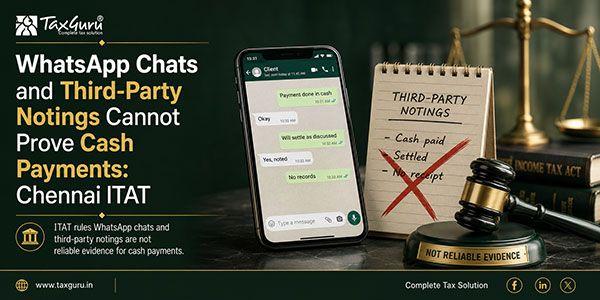
Income Tax
WhatsApp Chats and Third-Party Notings Cannot Prove Cash Payments: Chennai ITAT
Income Tax
Income Tax
ITAT Pune Deletes ₹2.38 Crore Section 69A Addition on Demonetisation SBN Deposits
Income Tax
Income Tax
ITAT Ahmedabad Deletes ₹9.66 Crore Section 68 Addition on Demonetisation Cash Deposits
Income Tax
Income Tax
ITAT Mumbai Deletes 153A Additions Without Incriminating Material
Income Tax
Income Tax
ITAT Chennai Allows 50% Professional Income Claim Under Section 44ADA
Income Tax
Income Tax
Chennai ITAT: Advance AMC Receipts Taxable Over Service Period Under Section 43CB; ₹7.65 Crore Additions Deleted
Income Tax
Income Tax
ITAT Restores Section 69A Addition for Fresh Adjudication After Company Confirmation
Income Tax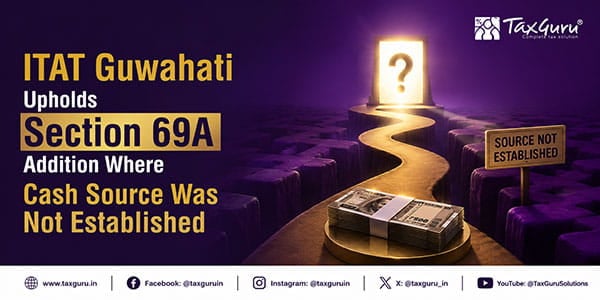
Income Tax
ITAT Guwahati Upholds Section 69A Addition Where Cash Source Was Not Established
Income Tax
Income Tax
C&AG Flags Errors in Taxation of Unexplained Transactions – Sections 68 to 69D & 115BBE
Income Tax
Income Tax
Mumbai ITAT Quashes Section 69A Addition Over Invalid Reassessment Approval
Income Tax
Income Tax
ITAT Deletes ₹90 Lakh Cash Addition Supported by Books and Withdrawals
Income Tax
Income Tax
ITAT Kolkata Deletes ₹20 Lakh Addition Based Solely on SMS and WhatsApp Messages
Explore the latest Section 69A updates on TaxGuru, including relevant Income-tax Act provisions, rules, notifications, circulars, judicial decisions and compliance guidance. The coverage highlights important tax positions, procedural requirements, assessments, deductions, penalties and litigation developments to help taxpayers and professionals understand the practical implications of changes in income-tax law.

