
#Section 68
Log in to FollowLatest Section 68 updates, provisions, case laws, compliance requirements, tax implications and expert analysis under Income-tax law on TaxGuru.
Income Tax
Income Tax
Nominal Members Do Not Defeat Section 80P Deduction- Bang ITAT Grants Relief to Co-operative Society
Income Tax
Income Tax
CIT(A) Cannot Order Protective Reopening for Different Assessment Year: ITAT Lucknow
Income Tax
Income Tax
ITAT Deletes Section 68 Addition on Forfeited Loans Already Offered to Tax – Double Taxation Not Permissible
Income Tax
Income Tax
Unsigned Mauritius Financials Sink Section 68 Defence – ITAT Restores ₹6.30 Crore Share Premium Addition
Income Tax
Income Tax
AO Cannot Travel Beyond Scope of Section 263 Directions – ITAT Upholds Deletion of Fresh Additions
Income Tax
Income Tax
Delhi ITAT Quashes Reassessment for ‘Reason to Suspect’ – Cash Deposits Alone Can’t Justify Reopening
Income Tax
Income Tax
Short-Term Commercial Loan Repaid with Interest Cannot Be Branded as Bogus Entry: ITAT Deletes ₹80 Lakh Section 68 Addition
Income Tax
Income Tax
ITAT Deletes Section 68 Addition Since Opening Loan Balances Cannot Be Taxed Again
Income Tax
Income Tax
Loans via Banking Channels not Bogus Merely on ‘Shell Company’ Allegation
Income Tax
Income Tax
No 271D Penalty Without Clear Finding of 269SS Violation: ITAT Deletes ₹1 Crore Penalty
Income Tax
Income Tax
Entire Land Deal Receipts Cannot Be Taxed as Income: ITAT Restricts Addition to Estimated Profit Element
Income Tax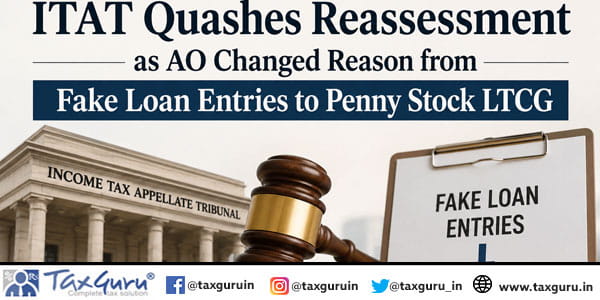
Income Tax
ITAT Quashes Reassessment as AO Changed Reason from Fake Loan Entries to Penny Stock LTCG
Income Tax
Income Tax
ITAT Delhi Restores Appeal in Case Selected for Scrutiny Due to 0.33% Net Profit
Income Tax
Income Tax
Section 271AAC Penalty Unsustainable After Assessment Is Quashed: ITAT Delhi
Explore the latest Section 68 updates on TaxGuru, including relevant Income-tax Act provisions, rules, notifications, circulars, judicial decisions and compliance guidance. The coverage highlights important tax positions, procedural requirements, assessments, deductions, penalties and litigation developments to help taxpayers and professionals understand the practical implications of changes in income-tax law.

