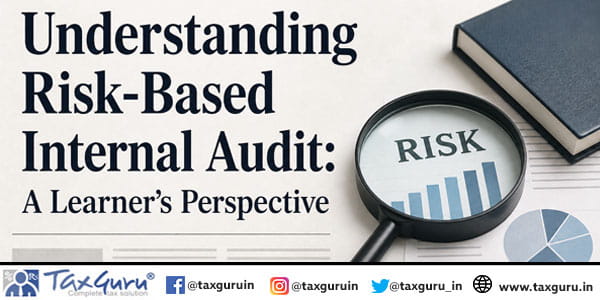
CA, CS, CMA : This article explains how risk-based internal audit prioritises high-impact business areas over routine verification. It highlight...
CA, CS, CMA : This explains how internal audit focuses on ongoing risk prevention while forensic accounting investigates suspected fraud. The ke...
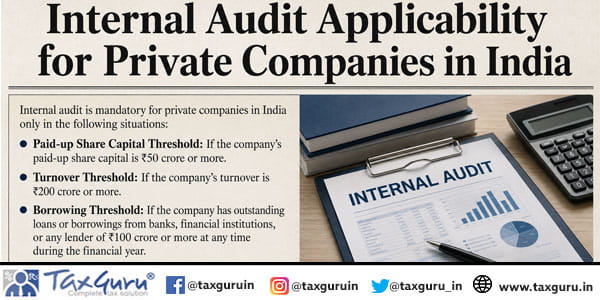
Company Law : Learn which companies must appoint internal auditors under Section 138, the eligibility criteria, and the statutory compliance ste...
CA, CS, CMA : Discover how internal auditors use financial management concepts like inventory, cash, and capital management to assess efficiency...
CA, CS, CMA : A practical guide to integrating AI into internal auditing, covering its applications in risk assessment, fieldwork, reporting, an...
CA, CS, CMA : A public sector bank has invited quotations to appoint external auditors for reviewing its internal audit and compliance functions...
CA, CS, CMA : Discover the latest developments in the engagement of CA firms by PSBs. Explore changes in concurrent audit policies, RBI directiv...
CA, CS, CMA : Proposed amendments to Section 138 of Companies Act, 2013 by ICSI. Understand why Company Secretaries are equipped to conduct inte...
CA, CS, CMA : Firm of Chartered Accountants cannot accept branch Audit of the Bank if one of the partners has taken the loan from any branch of ...
CA, CS, CMA : The concurrent Auditor of a Branch can undertake the assignment of LFAR only with respect to Branches which are not subject to Sta...
Company Law : ROC Delhi imposed penalties under Section 450 after a company failed to appoint an internal auditor despite crossing prescribed fi...
Company Law : The issue involved non-compliance with mandatory internal auditor appointment requirements. The authority imposed penalties as the...
Company Law : ROC Mumbai held that once delay in appointing an Internal Auditor was compounded by the Regional Director and default rectified, n...
Company Law : ROC Chennai held that listed companies must appoint an internal auditor under Section 138. Non-compliance over multiple years resu...
Company Law : The adjudicating authority held that non-appointment of an internal auditor despite crossing the statutory turnover threshold viol...
ROC Delhi imposed penalties under Section 450 after a company failed to appoint an internal auditor despite crossing prescribed financial limits. The order held that absence of professional guidnce is not a valid ground for waiver of penalty.
This article explains how risk-based internal audit prioritises high-impact business areas over routine verification. It highlights how focusing on key risks improves efficiency and strengthens business controls.
The issue involved non-compliance with mandatory internal auditor appointment requirements. The authority imposed penalties as the company exceeded the turnover threshold but failed to comply. The takeaway is that audit requirements are strictly enforced.
ROC Mumbai held that once delay in appointing an Internal Auditor was compounded by the Regional Director and default rectified, no further penalty under Section 450 could be imposed.
A public sector bank has invited quotations to appoint external auditors for reviewing its internal audit and compliance functions. The move focuses on quality assurance, risk assessment, and systemic improvements over a defined audit period.
ROC Chennai held that listed companies must appoint an internal auditor under Section 138. Non-compliance over multiple years resulted in penalties on directors.
The adjudicating authority held that non-appointment of an internal auditor despite crossing the statutory turnover threshold violated company law. Directors were personally penalised, reinforcing strict compliance with audit requirements.
This explains how internal audit focuses on ongoing risk prevention while forensic accounting investigates suspected fraud. The key takeaway is that one is proactive and advisory, while the other is reactive and evidence-driven.
The appeal was dismissed as no documentary evidence of internal auditor appointment was produced. The key takeaway is that statutory claims must be backed by records.
A company and its officer were penalized under Section 138 for failing to appoint an internal auditor for FY 2022-23 and 2023-24, with corrective measures and penalties mandated.