If you’ve ever opened a GST notice and felt your stomach drop, you’re not alone.
For many founders and CFOs, especially those still dealing with FY 2017–18 or 2018–19 assessments, GST litigation hasn’t felt like “tax administration.” It has felt like clerical mismatches being upgraded into allegations of fraud—with penalties, interest, and even criminal exposure hanging in the background.
For years, officers treated GSTR-1 vs GSTR-3B differences as suppression, passed summary orders, and kept dead demands alive by invoking Section 74.
That chapter is finally closing.
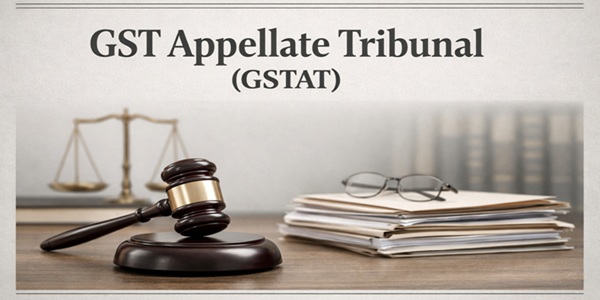
With the GST Appellate Tribunal (GSTAT) now fully functional, the system is slowly shifting from collection-first to evidence-first. And that changes how smart businesses should respond.
Here are five developments every founder, CFO, and finance head should internalize—now, not after the next notice lands.
1. A GST Mismatch Is Not a Crime Scene
Let’s say this plainly:
A data mismatch does not mean fraud.
In the Sterling & Wilson case, the GSTAT Principal Bench finally called out what many businesses have been saying for years—early GST was messy. Systems were new, reporting formats kept changing, and reconciliation gaps were inevitable.
The Tribunal made one thing clear:
If you can explain the difference using:
- proper books,
- credit/debit notes,
- advance adjustments, and
- reconciliation statements,
the department cannot just “confirm” a demand without actually verifying facts.
Founder/CFO takeaway:
If your finance team can reconcile it, document it, and explain it, you’re no longer automatically on the defensive.
2. “Fraud” Is No Longer a Shortcut
For years, Section 74 was used like a master key—label it “fraud,” extend limitation, levy 100% penalty, and move on.
Courts and tribunals are done with that.
Today, invoking fraud means the department must prove:
- deliberate concealment,
- wilful misstatement, or
- fabricated records.
A difference of opinion or reporting gap won’t cut it anymore.
From FY 2024–25 onwards, Section 74A changes the structure entirely. But for older years, this is critical:
Limitation is your strongest weapon.
Founder/CFO takeaway:
If your case is old and the only allegation is “mismatch,” challenge the very foundation of fraud. Don’t argue numbers first—argue intent.
3. Tribunals Can’t Rebuild the Case for the Department
This is a big one—and most people miss it.
If a Tribunal knocks down a Section 74 demand, it cannot simply recompute tax under Section 73 on its own. That would deny you a proper hearing.
The law requires:
Fresh adjudication by the proper officer
Recent CBIC clarification now clearly fixes responsibility:
- Up to ₹20 lakh → Superintendent
- ₹20 lakh to ₹2 crore → Deputy/Assistant Commissioner
- Above ₹2 crore → Joint/Additional Commissioner
Founder/CFO takeaway:
If fraud fails, the case doesn’t magically survive. It must go back—and that reset matters.
4. Tax Authorities Can’t Play Hot and Cold with Evidence
This is where many orders quietly collapse.
Officers often:
- accept a CA certificate or verification report in their discussion,
- but ignore it while computing the demand.
That no longer passes legal muster.
Under Section 121 of the Bharatiya Saksya Adhiniyam, 2023 (new Evidence law), estoppel applies. Simply put:
If the department accepts your evidence once, it cannot reject it later just because the numbers don’t suit them.
Founder/CFO takeaway:
Always read the discussion and the computation together. If they contradict each other, you have a strong appellate ground—often enough to knock out the order.
5. One Consumer Complaint Can Open Your Entire Price Book
Anti-profiteering is no longer theoretical risk.
In its first final order, GSTAT upheld a case where:
- one product complaint,
- expanded into a review of 340 products.
Price increases immediately after a tax rate cut automatically raise suspicion. Saying “costs went up” isn’t enough—you must prove it with invoices, debit notes, and timelines.
Even without penalties, 18% interest alone hurts.
Founder/CFO takeaway:
Every pricing decision post-tax change should be defensible on paper. Memory doesn’t count—documents do.
Final Thought: GST Litigation Has Grown Up—Have You?
The system is finally maturing. Mechanical confirmations are giving way to reasoned orders. Access to appeals is improving. Taxpayer rights are being recognised.
But here’s the hard truth:
Good faith is no longer assumed. It must be demonstrated.
If your reconciliations are weak, your documentation scattered, or your explanations post-facto, GST litigation will still hurt—badly.
The question isn’t whether scrutiny will come.
It’s whether your records are ready before Section 74 or Section 132 forces the issue.