
Courts: Supreme Court of India
Read latest Supreme Court of India judgments and orders on Income Tax, GST, Customs, Company Law and other taxation, corporate and commercial laws.

State Cannot Decide Contractual Breach and Bar Arbitration Remedy: SC
BPTP Limited: Supreme Court Upholds Delhi HC Ruling on Reassessment Reopening

Supreme Court Examines Delay in Customs Adjudication Proceedings
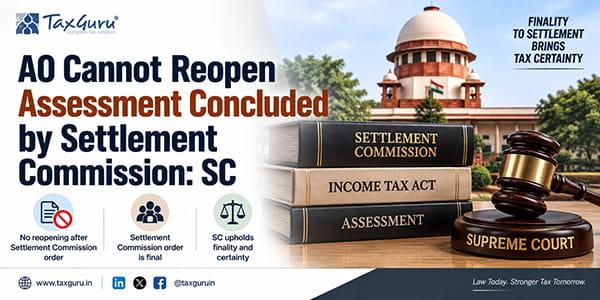
AO Cannot Reopen Assessment Concluded by Settlement Commission: SC

MACT Jurisdiction Objection Before Award Governed by Section 166(2): SC
Unsuccessful Candidates Cannot Challenge 15-Year-Old Selection on New Grounds: SC Refuses CBI Probe
Officiating Employees Have No Vested Right Under Old Promotion Rules: SC
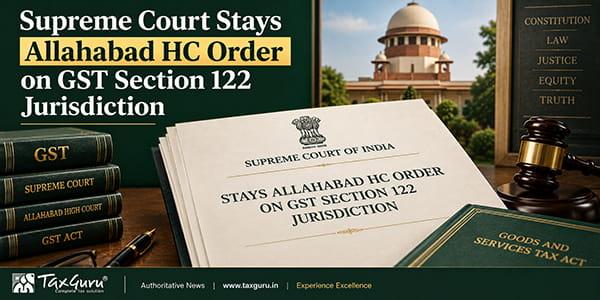
Supreme Court Stays Allahabad HC Order on GST Section 122 Jurisdiction

Pre-Deposit on GST Penalty Appeals: SC Allows Appeal Without Pre-Deposit

A Trust Cannot Be Put in the Accused Box: It Is an Obligation, Not a Juristic Person Capable of Prosecution
Disability Pension Appeals Dismissed; Medical Board Scrutiny Clarified by SC
SC Refers Section 47-A Stamp Duty Undervaluation Test to Larger Bench
SC drops Rs. 363 crores GST Demand against Vodafone Idea Post-Merger
SC Upholds 25% Addition on Unverifiable Creditors in Nandkishor Jalan Case
Supreme Court of India brings together Supreme Court judgments and orders published on TaxGuru concerning taxation, corporate, commercial and regulatory laws. The archive covers Income Tax, GST, Customs, Company Law, insolvency, constitutional and other legal issues relevant to taxpayers, businesses and professionals. Readers can research authoritative rulings on statutory interpretation, substantial questions of law, constitutional issues and appeals from High Courts and tribunals. Chartered Accountants, advocates, tax professionals, companies and legal researchers can use this category to follow important Supreme Court jurisprudence relevant to taxation and business laws.

