
Courts: ITAT Mumbai
Find latest ITAT Mumbai judgments, orders and case laws on income tax covering assessments, transfer pricing, international taxation, capital gains, TDS, reassessment and penalties.

ITAT Mumbai Allows 12AB Renewal, Quashes Retrospective Cancellation of Charitable Hospital Trust

ITAT Mumbai Upholds Section 80GGC Disallowance on Political Donation
ITAT Mumbai Treats ₹480 Crore Land Sale Gains as Capital Gains After Prolonged Sterilisation

Section 194B Online Gaming Threshold Applies Per Payment, Not Aggregate Winnings: ITAT Mumbai
Cash Found in Locker Explained by Assessee, Section 69A Addition Deleted: ITAT Mumbai
CIT Exemption Cannot Make 12AB & 80G Approval Conditional on Proposed SC Challenge: ITAT Mumbai
ITAT Mumbai Dismisses Time-Barred Cross Objection Filed After Six Years
Section 14A Inapplicable to Mutuality-Based Non-Taxable Interest: ITAT Mumbai
Charitable Trust’s Pre-Operative Costs Cannot Be Carried Forward: ITAT Mumbai
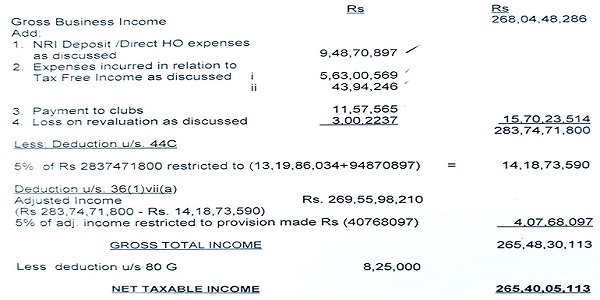
NRI Desk Expenses Attract Section 44C; 36(1)(viia) Deduction to Precede It: ITAT Mumbai
ITAT Mumbai Quashes Section 263 Order for Limitation on Original Assessment Issues
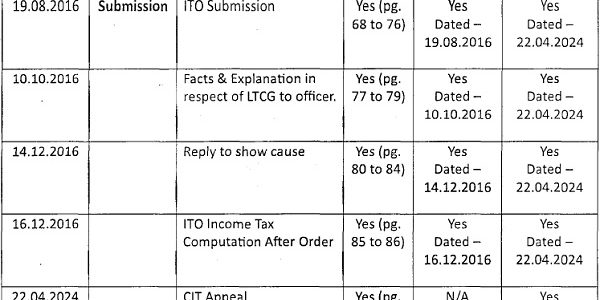
ITAT Mumbai Quashes Additions Under Sections 68 and 69C on Sunrise Asian LTCG
ITAT Mumbai Quashes Section 148 Reassessment for Failure to Meet Section 149(1)(b) Conditions
ITAT Upholds CUP for Stock Broking ALP and Deletes Section 73 Disallowance
ITAT Mumbai judgments and orders represent an extensive body of income-tax appellate jurisprudence covering individuals, businesses, companies and other taxpayers. This TaxGuru page brings together decisions relating to assessments, additions, deductions, exemptions, business income, capital gains, transfer pricing, international taxation, TDS, reassessment, unexplained income, penalties and procedural disputes. Chartered Accountants, advocates, companies, taxpayers and tax professionals can use this collection to research ITAT Mumbai precedents and follow important developments under the Income-tax Act. The page includes recent as well as significant earlier Tribunal decisions published on TaxGuru, providing a comprehensive reference point for direct tax case-law research and appellate practice.

