
Courts: ITAT Chennai
Find latest ITAT Chennai judgments, orders and case laws on income tax covering assessments, deductions, transfer pricing, capital gains, TDS, reassessment and penalties.

Captive Power Market Value, Section 80-IA, Must Follow SEB’s Consumer Tariff
CIT(A)’s Jewellery Reconciliation Upheld: Unexplained Investment u/s 69 Deleted
Section 148 Notice Issued by JAO After 29-03-2022 was Invalid: ITAT Chennai
Rebate Allowed as No Statutory Exclusion in Section 87A for LTCG: ITAT Chennai
PF/ESI Paid After Statutory Due Date Not Deductible, Sectiom 143(1)(a) Adjustment Sustained
Section 87A Rebate Applicable on capital gains taxed at special rates: ITAT Chennai
No 143(1) Show-Cause Issued: ITAT Quashes ₹5.73 Cr Demand for TDS Mismatch
5-Day Delay & Missing Notarised Affidavit: ITAT Chennai Dismisses BMA Appeal
Exempt Salary Under DTAA Does Not Trigger Black Money Act: ITAT Chennai
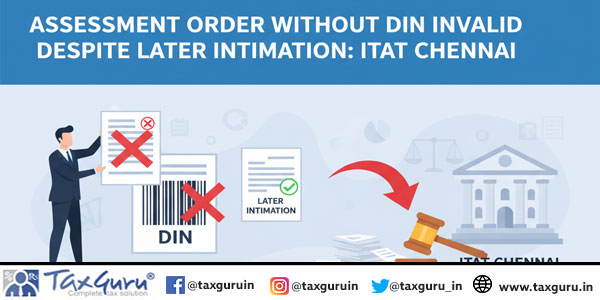
Assessment Order Without DIN Invalid Despite Later Intimation: ITAT Chennai
ITAT Chennai Allows Agricultural Income Claim Despite No Receipts
No Defect in Books, No Section 68- When Books Are Clean, Additions Can’t Stand
Addition u/s. 68 towards cash deposit during demonetization deleted since it was out of cash sales
CIT(E) Cannot Reject 12AB Registration Based on Profit or Financial Analysis
ITAT Chennai judgments and orders address a wide range of income-tax disputes involving individuals, businesses and corporate taxpayers. This TaxGuru page compiles ITAT Chennai case laws relating to assessments, deductions, exemptions, business income, capital gains, transfer pricing, international taxation, TDS, reassessment, unexplained income, penalties and procedural matters. Chartered Accountants, advocates, taxpayers and tax professionals can use the collection to research Tribunal precedents and follow developments in income-tax jurisprudence. The page includes recent as well as significant earlier ITAT Chennai decisions published on TaxGuru for convenient direct tax research.

