
Courts: ITAT Hyderabad
Find latest ITAT Hyderabad judgments, orders and case laws on income tax covering assessments, transfer pricing, deductions, capital gains, TDS, reassessment and penalties.

No Advance Tax Liability Claim Must Be Examined Before Rejecting Appeal: ITAT Hyderabad

Bona Fide Non-Filing With TDS Does Not Warrant Section 270A Penalty: Hyderabad ITAT
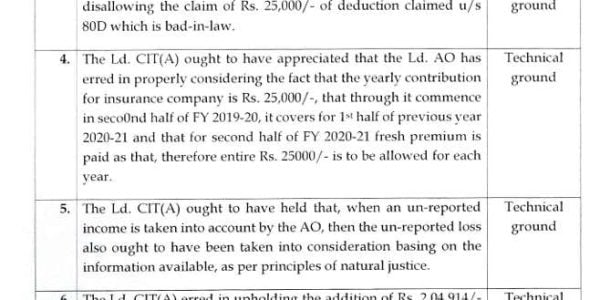
ITAT Hyderabad Deletes Additions Where Reassessment Lacked Foundational Material
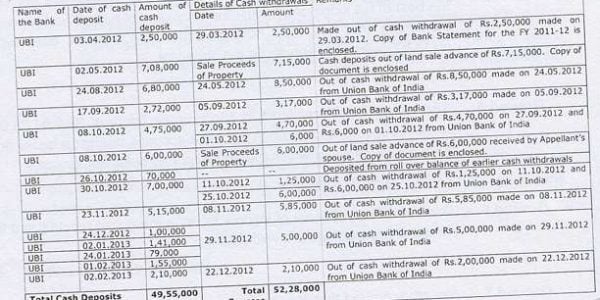
ITAT Dismisses Revenue Appeals, Upholds Cash Deposit Addition Deletion & Penalty Relief
ITAT Restores Section 69A Addition for Fresh Adjudication After Company Confirmation
Hyderabad ITAT: CIT(A) Cannot Ignore Submissions Filed During Physical Hearings
ITAT Deletes ₹2.38 Crore Section 68 Addition, Upholds PF/ESI Disallowance
Hyderabad ITAT: CIT(A) Must Examine Section 249(4)(b) Exemption Claim
Hyderabad ITAT Upholds Capital Gain Disallowances, Remands Business Income Error
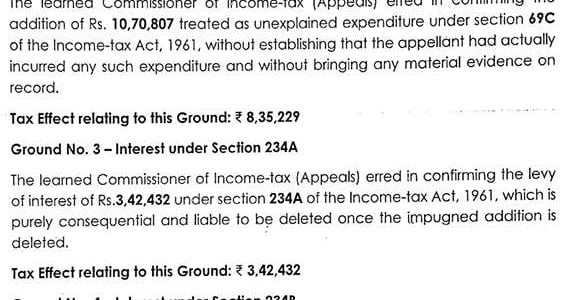
ITAT Deletes Section 69C Addition of Rs. 10.70 Lakh
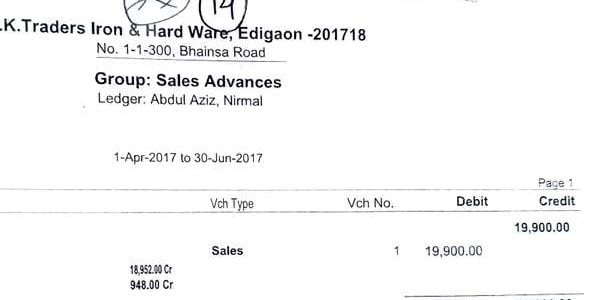
ITAT Partly Allows Appeal: Section 68 Addition Sustained, 115BBE Rate Relief Granted for AY 2017-18
ITAT Allows 80G CSR Donations and Deletes Section 14A Disallowance
Hyderabad ITAT Remands ₹54.29 Lakh Addition, Cites Retirement Benefit Credits
ITAT Hyderabad Allows Bad Debt Write-Off by Co-operative Bank Despite State Government Guarantee
ITAT Hyderabad judgments and orders cover a broad range of disputes under the Income-tax Act. This TaxGuru page brings together decisions involving assessments, business income, deductions, exemptions, capital gains, transfer pricing, international taxation, TDS, reassessment, unexplained income, penalties and procedural matters. Taxpayers, companies, Chartered Accountants, advocates and tax professionals can use the ITAT Hyderabad category to research relevant Tribunal precedents and monitor developments in direct tax litigation. The collection includes recent and significant earlier decisions published on TaxGuru, providing a useful resource for income-tax appellate research.

