
Courts: ITAT Hyderabad
Find latest ITAT Hyderabad judgments, orders and case laws on income tax covering assessments, transfer pricing, deductions, capital gains, TDS, reassessment and penalties.

30% Site Maintenance Expense Disallowance Excessive; ITAT Restricts It to 10%
ITAT Hyderabad Excludes 6 TP Comparables for Turnover and Functional Differences: Infor India

ITAT Hyderabad Excludes TP Comparables, Deletes Receivables Adjustment
ITAT Hyderabad Excludes Software Comparables, Deletes Receivables Interest Adjustment
ITAT Hyderabad Allows BSNL VRS Exemption Under Section 10(10B)
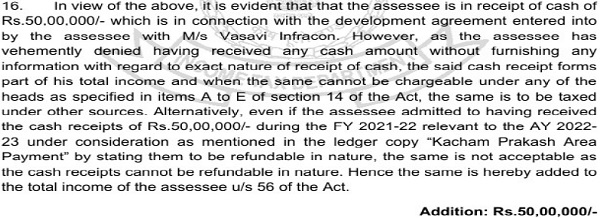
ITAT Hyderabad Deletes JDA Additions Under Section 56 for Lack of Corroboration
Assessment on Deceased Assessee Void & Unenforceable: ITAT Hyderabad
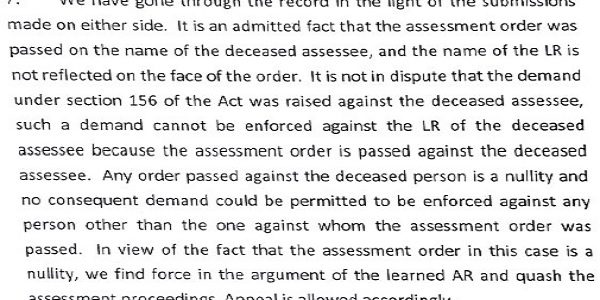
ITAT Hyderabad Quashes Reassessment Made in the Name of Deceased Assessee
ITAT Hyderabad Remands Section 270A Penalty for Fresh Section 270AA Immunity Review
ITAT Hyderabad Allows COVID-19 Relief on PF/ESI Delay, Flood Loss and TDS Credit
ITAT Hyderabad Restores TDS Credit Claim for Fresh Verification Under Rule 37BA Due to Missing Reconciliation
Priests’ Maintenance Qualifies for Section 11(2) Accumulation: ITAT Hyderabad
ITAT Hyderabad Applies Circle Rate for JDA Gains, Restores Section 54F
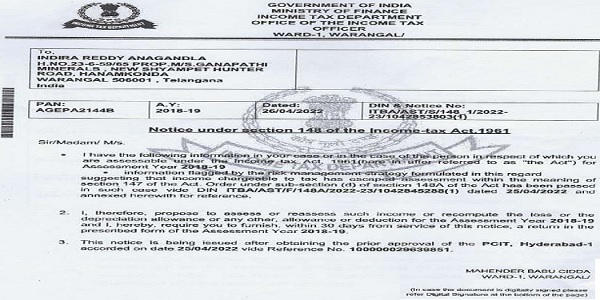
ITAT Hyderabad Quashes Reassessment Where PCIT Approved Notice Beyond Three Years
ITAT Hyderabad judgments and orders cover a broad range of disputes under the Income-tax Act. This TaxGuru page brings together decisions involving assessments, business income, deductions, exemptions, capital gains, transfer pricing, international taxation, TDS, reassessment, unexplained income, penalties and procedural matters. Taxpayers, companies, Chartered Accountants, advocates and tax professionals can use the ITAT Hyderabad category to research relevant Tribunal precedents and monitor developments in direct tax litigation. The collection includes recent and significant earlier decisions published on TaxGuru, providing a useful resource for income-tax appellate research.

