
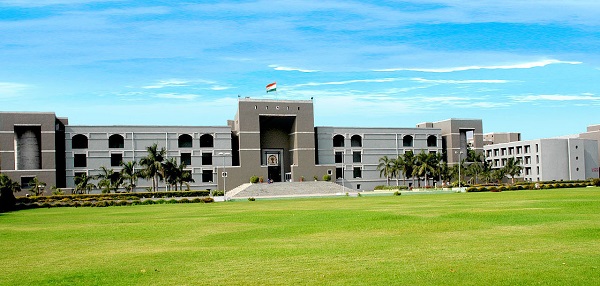
Courts: Gujarat High Court
Find latest Gujarat High Court judgments, orders and case laws on Income Tax, GST, Customs, Company Law, IBC and other tax and commercial matters.

Cash Deposits Alone Cannot Justify Reassessment Without Tangible Material: Gujarat HC
Section 148 Reopening Quashed as Reduced WIP Could Not Cause Income Escapement
GST Order Without Date, Time and Venue of Hearing Quashed: Gujarat HC
Partner’s Capital Received Through Demand Drafts Cannot Be Added Under Section 68: Gujarat HC
Gujarat HC Quashes Income Tax Assessment for Giving Only One Day to Respond
Form 10 Delay Condoned for First-Time E-Filing Oversights: Gujarat HC
Notional Interest Addition Deleted for Non-Recovery From Financially Distressed Debtors: Gujarat HC
Section 148 Notice Issued Beyond Surviving Limitation Quashed: Gujarat HC

Gujarat HC Quashes Reassessment Against Deceased Assessee Under Section 148
Section 68 Addition Deleted as Loans Were Repaid Within Same Year: Gujarat HC
Gujarat HC Quashes GST Demand Against Deceased Proprietor as Proceedings Were Without Jurisdiction
No CWIP Interest Capitalisation for Existing Building, Gujarat HC Rejects MAT Addition
Change of Opinion Cannot Justify Reopening Beyond Four Years: Gujarat HC
Gujarat HC Condones 712-Day Delay in ITAT Appeal to Advance Substantial Justice
Gujarat High Court judgments and orders provide significant guidance on taxation, commercial and regulatory issues. This TaxGuru page compiles Gujarat High Court case laws concerning Income Tax, GST, Customs, Company Law, insolvency, input tax credit, refunds, reassessment, tax demands, penalties and other legal matters. Taxpayers, businesses, Chartered Accountants, advocates and professionals can use this collection to research important judicial precedents and follow developments affecting taxation and business. TaxGuru brings together recent and significant earlier Gujarat High Court decisions with summaries and analysis of key issues and legal principles. This dedicated page provides convenient access to case law relevant to tax, corporate, commercial and regulatory disputes considered by the Gujarat High Court.

