
Courts: Gujarat High Court
Find latest Gujarat High Court judgments, orders and case laws on Income Tax, GST, Customs, Company Law, IBC and other tax and commercial matters.

Gujarat HC Holds Amended Section 149 Cannot Revive Time-Barred Reassessment Notices
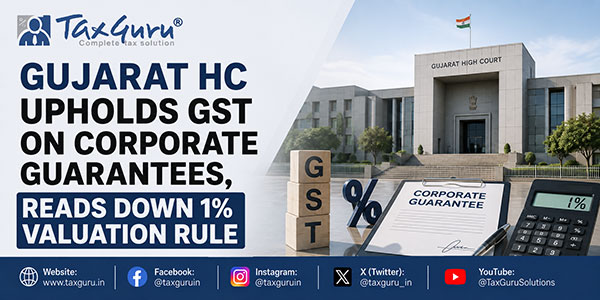
Gujarat HC Upholds GST on Corporate Guarantees, Reads Down 1% Valuation Rule

Gujarat HC Quashes GST Order After Omission of Rule 89(4B) Without Saving Clause
Gujarat HC Quashes Reopening Beyond 4 Years as 2(22)(e) Conditions Were Not Met
Gujarat HC Upholds Ketamine Export Penalties on Evidence of Attempted Export
Gujarat HC Quashes Section 148 Reopening for Absence of New Tangible Material
Gujarat HC Sets Aside Section 148 Reopening Where Depreciation Facts Were Disclosed
Gujarat HC: VAT Department Covered as Law Enforcement Agency Under Tax-Effect Exception
Gujarat HC: Section 154 Rectification Application to Be Decided Within 3 Months
Gujarat HC Releases Arrested Vessel After P&I Undertaking, Orders Port Clearance
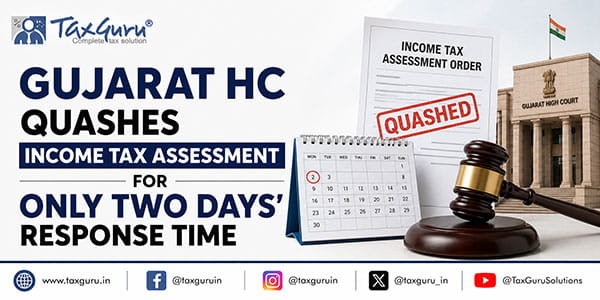
Gujarat HC Quashes Income Tax Assessment for Only Two Days’ Response Time

Gujarat HC: Reopening Quashed as No Fresh Tangible Material Was Found
Gujarat HC: Section 13(1)(b) Cannot Deny Section 12AB Registration at Registration Stage
Gujarat HC: Section 263 Orders Quashed as Section 14A Issue Was Already Examined in Original Assessment
Gujarat High Court judgments and orders provide significant guidance on taxation, commercial and regulatory issues. This TaxGuru page compiles Gujarat High Court case laws concerning Income Tax, GST, Customs, Company Law, insolvency, input tax credit, refunds, reassessment, tax demands, penalties and other legal matters. Taxpayers, businesses, Chartered Accountants, advocates and professionals can use this collection to research important judicial precedents and follow developments affecting taxation and business. TaxGuru brings together recent and significant earlier Gujarat High Court decisions with summaries and analysis of key issues and legal principles. This dedicated page provides convenient access to case law relevant to tax, corporate, commercial and regulatory disputes considered by the Gujarat High Court.

