
Courts: Gujarat High Court
Find latest Gujarat High Court judgments, orders and case laws on Income Tax, GST, Customs, Company Law, IBC and other tax and commercial matters.
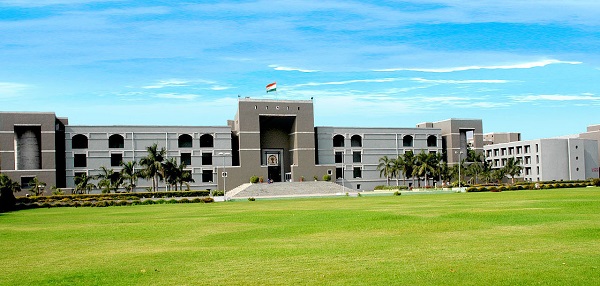
Gujarat HC Stays IBBI Disciplinary Order Over Investigator’s Committee Role

Reassessment on Issue Already Examined in Scrutiny Is Change of Opinion: Gujarat HC
Section 148 Notice Quashed as Seized Entry Had No Live Nexus With Assessee: Gujarat HC
Reopening on Issues Examined in Original Scrutiny Is Change of Opinion: Gujarat HC
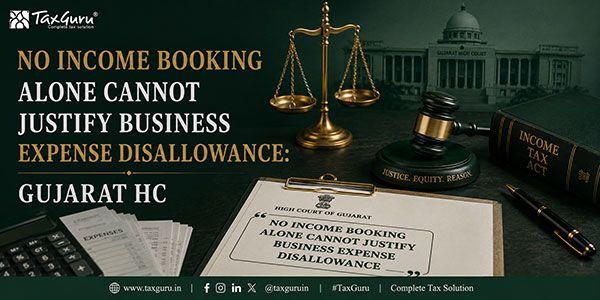
No Income Booking Alone Cannot Justify Business Expense Disallowance: Gujarat HC
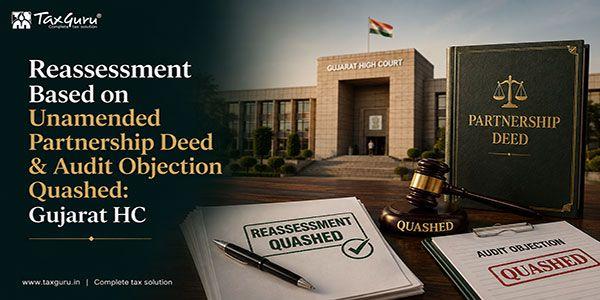
Reassessment Based on Unamended Partnership Deed & Audit Objection Quashed: Gujarat HC
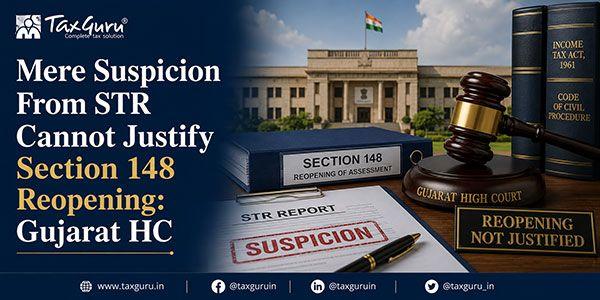
Mere Suspicion From STR Cannot Justify Section 148 Reopening: Gujarat HC
Gujarat HC Upholds Section 80P Deduction & Additional Depreciation on Milk Cans
No Non-Use Certificate Triggers Deemed Vehicle Use for Tax: Gujarat HC
Gujarat HC Quashes Section 148A Reopening Over Roving Inquiry
Reassessment on Already Scrutinised Transaction Is Change of Opinion: Gujarat HC
Gujarat HC Quashes Section 153C Proceedings Over Four-Year Delay in Satisfaction Note
Gujarat HC Rejects On-Money Reopening Based on Third-Party Register
Gujarat HC Cuts House & FDR Additions, Denies Telescoping of Unexplained Cash
Gujarat High Court judgments and orders provide significant guidance on taxation, commercial and regulatory issues. This TaxGuru page compiles Gujarat High Court case laws concerning Income Tax, GST, Customs, Company Law, insolvency, input tax credit, refunds, reassessment, tax demands, penalties and other legal matters. Taxpayers, businesses, Chartered Accountants, advocates and professionals can use this collection to research important judicial precedents and follow developments affecting taxation and business. TaxGuru brings together recent and significant earlier Gujarat High Court decisions with summaries and analysis of key issues and legal principles. This dedicated page provides convenient access to case law relevant to tax, corporate, commercial and regulatory disputes considered by the Gujarat High Court.

