
Courts: ITAT Delhi
Find latest ITAT Delhi judgments, orders and case laws on income tax covering assessments, transfer pricing, international taxation, deductions, TDS, reassessment and penalties.

ITAT Sets Aside 30% Tax on AOP Income as Income was Below Threshold
Invalid Jurisdiction Under Section 153C Due to Vague Satisfaction Note for Multiple Years
Reassessment Quashed as Mechanical Approval u/s 151 & Jurisdiction Wrongly Assumed by ITO
Section 263 Invalid as Presumptive Section 44AD Taxation Requires No Books
₹112 Cr Case – Section 10 Exemption Can’t Be Re-examined Without Hearing: ITAT Delhi
Demonetization Cash Deposit Addition Partly Deleted: Tribunal Rejects Unproven Gift Claims
ITAT Delhi Upholds GP Addition After Books Rejected for Lack of Evidence
Repayment of Bogus Loans Does Not Cure Section 68 Addition: ITAT Delhi
ITAT Denies Section 10(10D) Exemption as Assignment Does Not Alter Nature of Keyman Insurance Policy
ITAT Delhi Deletes ₹4.30 Cr Addition Due to Timing Difference in Revenue Recognition
ITAT Delhi Quashes Reassessment as Wrong Explanation Invoked & Casual Approval
AMP adjustment of ₹4.32 Cr based on Bright Line Test was unsustainable: ITAT Delhi
Weighted deduction u/s. 35(2AB) not allowed as mandatory approval from PCCIT/PDGIT not obtained
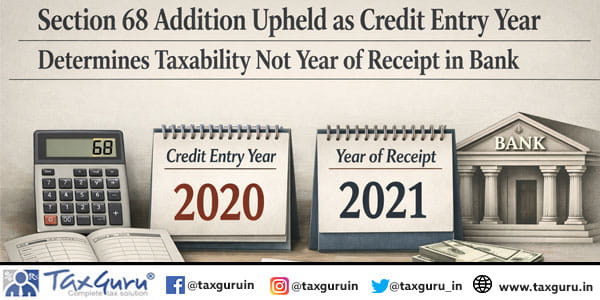
Section 68 Addition Upheld as Credit Entry Year Determines Taxability not year of Receipt in Bank
ITAT Delhi judgments and orders constitute a substantial body of appellate case law under the Income-tax Act. This page compiles ITAT Delhi decisions concerning assessments, additions, deductions, exemptions, business income, capital gains, transfer pricing, international taxation, TDS, reassessment, unexplained income, penalties, limitation and procedural disputes. Companies, individuals, Chartered Accountants, advocates and tax professionals can use this collection to research Tribunal precedents relevant to income-tax matters. TaxGuru brings together recent and significant earlier ITAT Delhi judgments and orders, providing a convenient resource for following developments in direct tax jurisprudence and researching recurring issues arising in assessments and appeals.

