
Courts: ITAT Delhi
Find latest ITAT Delhi judgments, orders and case laws on income tax covering assessments, transfer pricing, international taxation, deductions, TDS, reassessment and penalties.

Family Disputes & Mental Distress Are Valid Grounds for Delay Condonation: ITAT Delhi
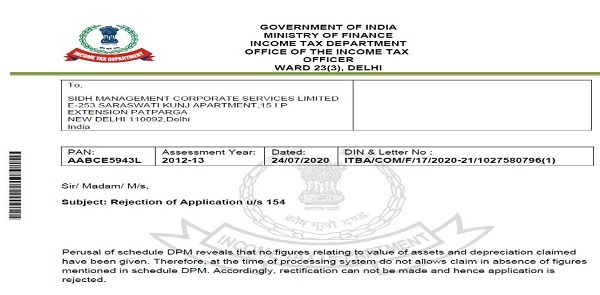
Delhi ITAT: Genuine Depreciation Claim Cannot Be Denied for Schedule DPM Omission

Delhi ITAT: Section 12AB Registration Cannot Be Cancelled for Engaging Builder for Staff Housing Project
Delhi ITAT: Enhanced Security Expenses During Directors’ Dispute Are Allowable Business Expenditure

Alleged Commission Addition Cannot Rest on Loose Third-Party Papers & WhatsApp Chats: ITAT Delhi

Uncorroborated WhatsApp Chats Alone Cannot Sustain Section 69A Addition: Delhi ITAT

Donations from Identified Donors Cannot Be Taxed as Anonymous Donations: Delhi ITAT
Assessment Ignoring DRP Directions on Transfer Pricing Adjustment Quashed: ITAT Delhi
No Section 271(1)(c) Penalty if Reopened Return Was Accepted Without Any Addition: ITAT Delhi
Delhi ITAT: Demonetisation Addition Deleted Despite No Cash Balance in Earlier Section 44AD ITRs
Rental Income From Unused Premises Doesn’t Bar Section 12AB Renewal: ITAT Delhi
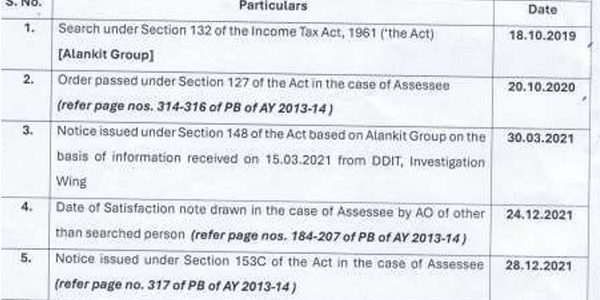
Search Cases With Common Assessing Officer Governed by Section 127 Transfer Date: ITAT Delhi
ITAT Delhi Quashes Assessment for Invalid Section 143(2) Notice by Incompetent Authority
ITAT Delhi Quashes Section 153C Assessments for AYs Outside Ten-Year Block Period
ITAT Delhi judgments and orders constitute a substantial body of appellate case law under the Income-tax Act. This page compiles ITAT Delhi decisions concerning assessments, additions, deductions, exemptions, business income, capital gains, transfer pricing, international taxation, TDS, reassessment, unexplained income, penalties, limitation and procedural disputes. Companies, individuals, Chartered Accountants, advocates and tax professionals can use this collection to research Tribunal precedents relevant to income-tax matters. TaxGuru brings together recent and significant earlier ITAT Delhi judgments and orders, providing a convenient resource for following developments in direct tax jurisprudence and researching recurring issues arising in assessments and appeals.

