
Courts: ITAT Delhi
Find latest ITAT Delhi judgments, orders and case laws on income tax covering assessments, transfer pricing, international taxation, deductions, TDS, reassessment and penalties.
Delhi ITAT Deletes 2% Ad Hoc Commission on Cash Deposits, Accepts Actual Agent Commission

ITAT Delhi: Foreign Life Policy Not Undisclosed Asset; Maturity Proceeds Exempt
ITAT Delhi Quashes Assessment as Section 153C, Not Section 143(3), Was Applicable

Delhi ITAT: No Section 153A Addition Without Incriminating Search Material
Delhi ITAT Quashes ₹1.44 Cr Reassessment: Pr. CCIT Approval Required Beyond 3 Years
Delhi ITAT: No Express Irrevocability Clause Cannot Deny 12AB/80G Renewal
Delhi ITAT: 12AB/80G Registration Cannot Be Denied for No Irrevocability Clause
Delhi ITAT Quashes ₹93 Cr Section 263 Revision: PCIT Cannot Demand Deeper Enquiry
Delhi ITAT Quashes ₹1.88 Cr Reassessment: Purchases Already Examined, No Failure to Disclose
Delhi ITAT: Religious HIndu Activities Alone Cannot Deny 12AB/80G Approval
Delhi ITAT Quashes Section 263 Revision: PCIT Cannot Substitute His View for AO’s
Delhi ITAT Quashes Reassessment: No 143(2) Notice, No Valid Assessment
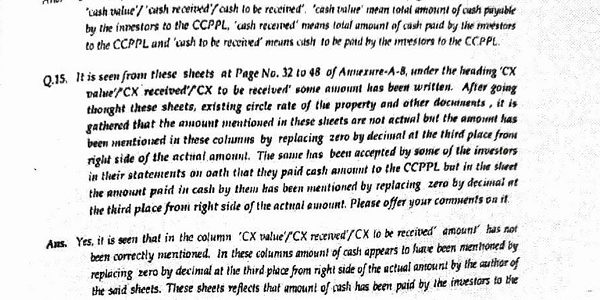
Delhi ITAT Quashes ₹12.62 Cr Additions: 153C Six-Year Limit Ran From Material Handover
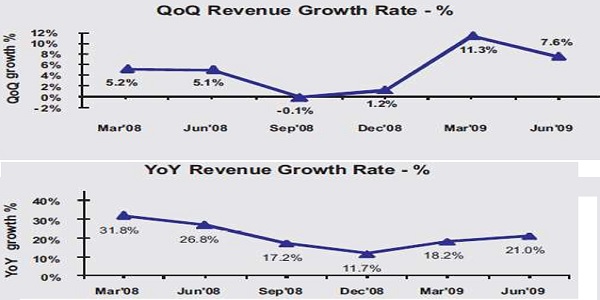
ITAT Delhi Allows Multiple Tax Claims of HCL Tech, Remands Verification of Section 10A Deduction
ITAT Delhi judgments and orders constitute a substantial body of appellate case law under the Income-tax Act. This page compiles ITAT Delhi decisions concerning assessments, additions, deductions, exemptions, business income, capital gains, transfer pricing, international taxation, TDS, reassessment, unexplained income, penalties, limitation and procedural disputes. Companies, individuals, Chartered Accountants, advocates and tax professionals can use this collection to research Tribunal precedents relevant to income-tax matters. TaxGuru brings together recent and significant earlier ITAT Delhi judgments and orders, providing a convenient resource for following developments in direct tax jurisprudence and researching recurring issues arising in assessments and appeals.

