
Courts: ITAT Delhi
Find latest ITAT Delhi judgments, orders and case laws on income tax covering assessments, transfer pricing, international taxation, deductions, TDS, reassessment and penalties.

ITAT Delhi Quashes Section 153C Assessments for Invalid Satisfaction & Limitation
ITAT Delhi: Leftover Material Sales Supported by GST Records Cannot Attract Section 69A

ITAT Deletes ₹4.34 Lakh Addition Where Foreign Currency Belonged to Sister-in-Law
Delhi ITAT: Section 44AD Cannot Be Forced Without Assessee’s Option
Delhi ITAT Quashes Reassessment for No Section 143(2) Notice, Section 292BB Inapplicable
Delhi ITAT Deletes ₹7.15 Crore Protective Addition After Substantive Assessment Quashed
AMP Expenditure Not an International Transaction Without AE Arrangement: ITAT Delhi
ITAT Delhi Quashes Assessment for Ignoring Binding DRP Directions Under Section 144C
ITAT Delhi: Section 11/12 Exemption Allowed as BARC Deployment Was Pursuant to Government Policy
ITAT Delhi: Section 11/12 Exemption Allowed as BARC Investment Did Not Violate Section 11(5)
Delhi ITAT Quashes Time-Barred Section 153C Assessments After Section 127 Transfer
Delhi ITAT: MAP Rate Not Binding After PE Functions Change, Attribution Cut 15% to 12%
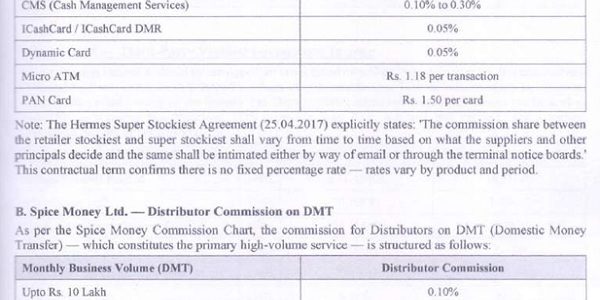
Delhi ITAT Deletes 2% Ad Hoc Commission on Cash Deposits, Accepts Actual Agent Commission
ITAT Delhi: Foreign Life Policy Not Undisclosed Asset; Maturity Proceeds Exempt
ITAT Delhi judgments and orders constitute a substantial body of appellate case law under the Income-tax Act. This page compiles ITAT Delhi decisions concerning assessments, additions, deductions, exemptions, business income, capital gains, transfer pricing, international taxation, TDS, reassessment, unexplained income, penalties, limitation and procedural disputes. Companies, individuals, Chartered Accountants, advocates and tax professionals can use this collection to research Tribunal precedents relevant to income-tax matters. TaxGuru brings together recent and significant earlier ITAT Delhi judgments and orders, providing a convenient resource for following developments in direct tax jurisprudence and researching recurring issues arising in assessments and appeals.

