
Courts: Delhi High Court
Find latest Delhi High Court judgments, orders and case laws on Income Tax, GST, Customs, Company Law, IBC, FEMA and other tax and commercial matters.
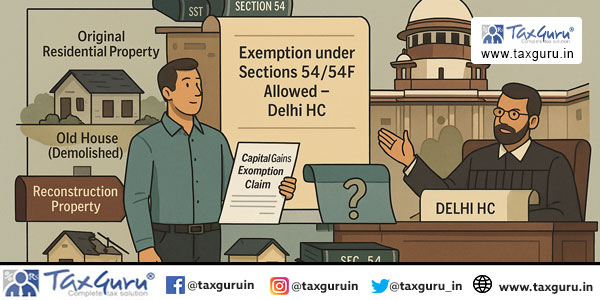
Exemption Under 54 & 54F In Case of Reconstructed Building: Delhi High Court

Delhi HC Relaxes Tax Norms for Category III AIFs; CBDT Circular Can’t Override SEBI Norms
SCN invalid for non-filing of returns after cancellation of GST registration
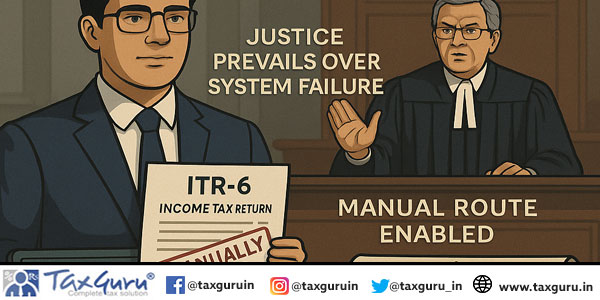
Manual ITR 6 Filing Allowed as Software Glitch Can’t Deny Tax Benefits: Delhi HC
Delhi HC Upholds Civil Suit Decree for Recovery of Advance in Supply Dispute
Fine for non-furnishing of financial documents reduced due to financial difficulty of directors
No incidence of tax invokable without transfer: Delhi HC
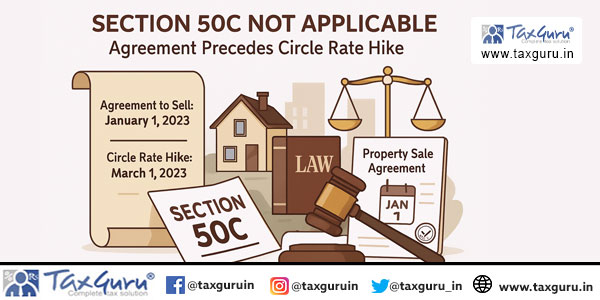
Section 50C inapplicable if registered agreement to sell was executed before circle rate hike
Delhi HC Directs MCA to decide on Director Designation Error in 8 Weeks
GST order set aside as notice uploaded on ‘Additional Notices Tab’ not known to petitioner
AO Cannot Reopen Assessment Beyond Grounds Mentioned in Section 148A(b) Notice
No Criminal Case Based on Unverified Swiss Account Docs from Foreign Govt
Matter remanded as petitioner unaware about GST SCN uploaded under Additional Notices Tab
De-freezing of bank account not permitted as would risk undermining objectives of PMLA
Delhi High Court judgments and orders constitute a substantial source of jurisprudence on taxation, corporate, commercial and regulatory law. This TaxGuru page compiles Delhi High Court case laws concerning Income Tax, GST, Customs, Company Law, insolvency, FEMA, international taxation, reassessment, TDS, penalties and other business and legal disputes. Companies, taxpayers, Chartered Accountants, advocates and tax professionals can use this collection to research judicial precedents and monitor important legal developments. TaxGuru brings together recent and significant earlier Delhi High Court decisions, supported by case summaries and analysis explaining the principal issues and findings. The page provides a convenient research resource for readers following tax, corporate, commercial and regulatory litigation before the Delhi High Court.

