
Courts: All ITAT
Read latest ITAT judgments and orders on Income Tax, including assessments, deductions, TDS, capital gains, transfer pricing, penalties and other tax disputes.

Notice Invalid as Limitation Exhausted Despite Section 148A Process

Penalty Cannot Survive After Deletion of Quantum Addition: ITAT Pune
ITAT Pune Quashed Reassessment for Not Supplying Recorded Reasons
Section 69 Cannot Be Invoked for Recorded Share Investments Merely for Premium Mismatch
Survey Disclosure Accepted in Return Cannot Trigger Section 270A Penalty: ITAT Mumbai
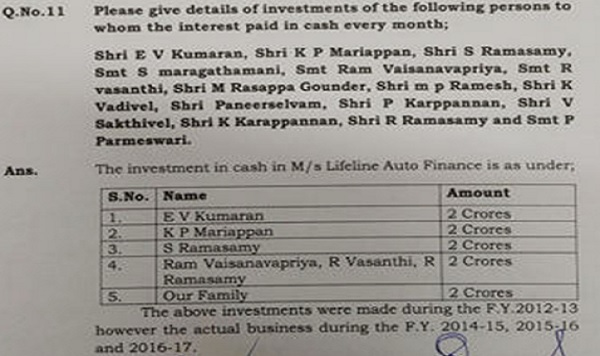
₹2 Crore Section 69 Addition Quashed Due to Uncorroborated Loose Sheets
Reassessment Addition Based Solely on Retracted Third-Party Statements Quashed: ITAT Mumbai
Reassessment Quashed for Failure to Record Reasons Under Section 148: ITAT Mumbai

ITAT Hyderabad Condoned 506-Day Delay; Ad Spend Allowed; Alleged Coerced Share Sale Ground Admitted

Loose Sheets + Retracted Statement Not Enough for 69A On-Money Addition: ITAT Chennai
Section 163 Inapplicable Without Direct or Indirect Income Flow to NRI: ITAT Hyderabad

ITAT Delhi Quashes Search Assessments for Mechanical Approval u/s 153D; Entire Proceedings Held Non-Est
Reassessment Quashed for Invalid Sanction u/s 151: Approval by PCIT Instead of PCCIT Held Void
Section 87A Rebate Cannot Be Denied for STCG and LTCG: ITAT Indore
All ITAT brings together Income Tax Appellate Tribunal judgments and orders from ITAT benches across India. The archive covers income-tax disputes involving assessments and reassessments, business income, deductions, exemptions, capital gains, TDS, transfer pricing, international taxation, penalties, unexplained income, search assessments and other provisions of the Income-tax Act. Chartered Accountants, advocates, tax professionals, businesses and taxpayers can use this consolidated TaxGuru category to research ITAT precedents across different benches and follow developments in income-tax jurisprudence. Individual ITAT bench categories are also available for location-specific decisions.

