
Courts: All ITAT
Read latest ITAT judgments and orders on Income Tax, including assessments, deductions, TDS, capital gains, transfer pricing, penalties and other tax disputes.
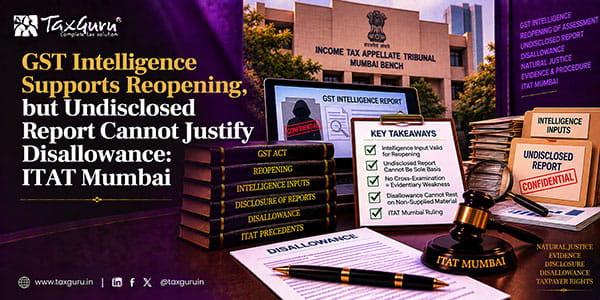
GST Intelligence Supports Reopening, but Undisclosed Report Cannot Justify Disallowance: ITAT Mumbai

Agra ITAT Quashes Section 263 Revision on ₹12.50 Crore Bogus Purchases

Reopening Invalid When AO Already Had Correct Sale Deed: ITAT Chandigarh

Section 11 Exemption Denied but Gross Receipts Cannot Be Taxed: ITAT Pune

Kolkata ITAT Quashes Reopening Beyond Four Years for No Disclosure Failure
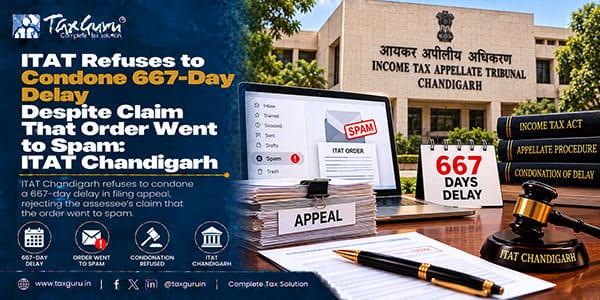
ITAT Refuses to Condone 667-Day Delay Despite Claim That Order Went to Spam: ITAT Chandigarh
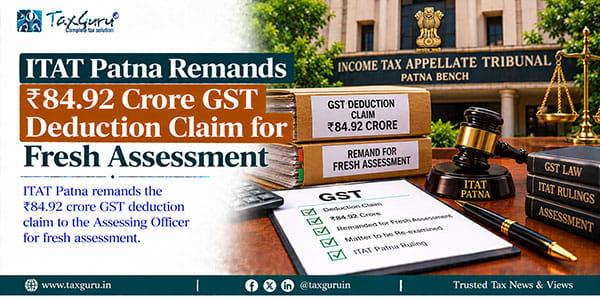
ITAT Patna Remands ₹84.92 Crore GST Deduction Claim for Fresh Assessment

Rajkot ITAT Restricts Property On-Money Addition to 10%, Rejects Section 115BBE

Denial of Exemption Does Not Make Gross Receipts Taxable Income: Pune ITAT
ITAT Kolkata Remands Section 69A Addition on Human Hair Trading Receipts
Section 14A Disallowance Restricted to Dividend-Yielding Investments: ITAT Kolkata

DCIT Reassessment Without Pecuniary Jurisdiction Quashed by ITAT Kolkata

ITAT Agra Deletes SBI TDS Demands on Foreign LFC Under Court Protection

SBI Retiree Gets ₹5.90 Lakh Leave Encashment Tax Relief: ITAT Ahmedabad
All ITAT brings together Income Tax Appellate Tribunal judgments and orders from ITAT benches across India. The archive covers income-tax disputes involving assessments and reassessments, business income, deductions, exemptions, capital gains, TDS, transfer pricing, international taxation, penalties, unexplained income, search assessments and other provisions of the Income-tax Act. Chartered Accountants, advocates, tax professionals, businesses and taxpayers can use this consolidated TaxGuru category to research ITAT precedents across different benches and follow developments in income-tax jurisprudence. Individual ITAT bench categories are also available for location-specific decisions.

