
Courts: All ITAT
Read latest ITAT judgments and orders on Income Tax, including assessments, deductions, TDS, capital gains, transfer pricing, penalties and other tax disputes.

ITAT Quashes Reassessment for Denying Seven Days Notice Under Section 148A(b)
Fresh Section 143(2) Notice Mandatory After Jurisdiction Change: ITAT Delhi
ITAT Delhi Quashes 21 Assessments Over Invalid Section 153D Approval
Delhi ITAT Restricts Bogus Purchase Addition to 6% as Sales Were Accepted
ITAT Delhi Deletes Prior Period Expenditure Disallowance, Quashes Reassessment
No Section 69A Addition Without Incriminating Material in Section 153C Case: Delhi ITAT
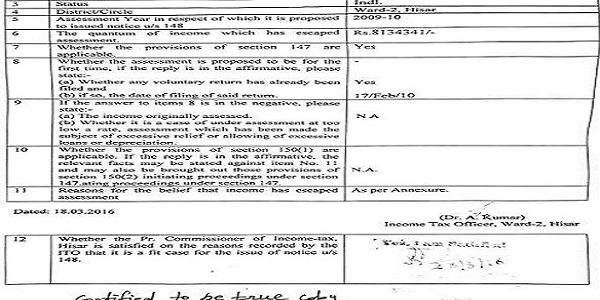
Delhi ITAT Quashes Reassessment for Section 151 Mechanical Approval
Delhi ITAT Quashes Assessment Over Invalid Section 143(2) Notice
Section 68 Addition Deleted on Genuine Penny Stock Transaction
ITAT Upholds Tax on Notional Rent of Unsold Flats Held as Stock-in-Trade
ITAT Deletes Section 271D Penalty on Principle of Parity
ITAT Delhi Allows Foreign Tax Credit on Overseas Legal Fees
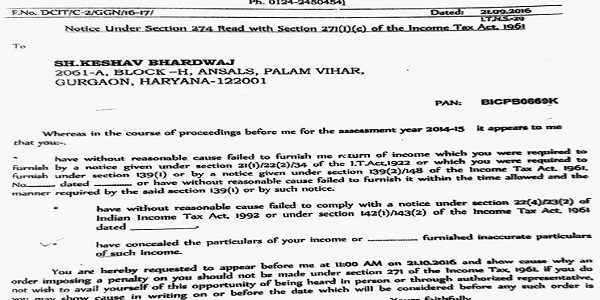
AO Failed to Specify Charge in Section 271(1)(c) Notice Penalty: Delhi ITAT
Delhi ITAT Quashes Reassessment for Ignoring Search Reopening Procedure
All ITAT brings together Income Tax Appellate Tribunal judgments and orders from ITAT benches across India. The archive covers income-tax disputes involving assessments and reassessments, business income, deductions, exemptions, capital gains, TDS, transfer pricing, international taxation, penalties, unexplained income, search assessments and other provisions of the Income-tax Act. Chartered Accountants, advocates, tax professionals, businesses and taxpayers can use this consolidated TaxGuru category to research ITAT precedents across different benches and follow developments in income-tax jurisprudence. Individual ITAT bench categories are also available for location-specific decisions.

