
Courts: All ITAT
Read latest ITAT judgments and orders on Income Tax, including assessments, deductions, TDS, capital gains, transfer pricing, penalties and other tax disputes.

Mumbai ITAT: Reassessment Beyond Three Years Quashed; Escaped Income Below ₹50 Lakh

Co-op Housing Society Entitled to Section 80P(2)(d) Deduction on Bank Interest: ITAT Mumbai

Delhi ITAT: Section 153C Assessment Quashed; Assumed Higher Assured Returns-Based On-Money Addition Deleted

Family Disputes & Mental Distress Are Valid Grounds for Delay Condonation: ITAT Delhi
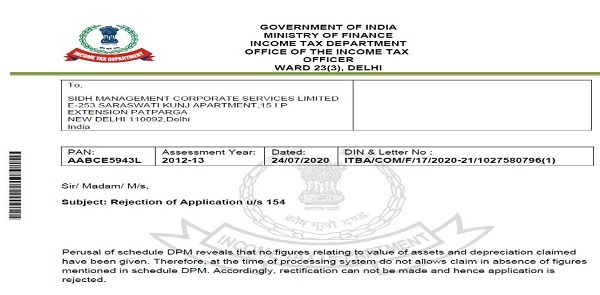
Delhi ITAT: Genuine Depreciation Claim Cannot Be Denied for Schedule DPM Omission
Delhi ITAT: Section 12AB Registration Cannot Be Cancelled for Engaging Builder for Staff Housing Project
Delhi ITAT: Enhanced Security Expenses During Directors’ Dispute Are Allowable Business Expenditure

Alleged Commission Addition Cannot Rest on Loose Third-Party Papers & WhatsApp Chats: ITAT Delhi

Uncorroborated WhatsApp Chats Alone Cannot Sustain Section 69A Addition: Delhi ITAT

Section 68 Addition Deleted for Loan Funded from Bank Borrowing: ITAT Rajkot

Donations from Identified Donors Cannot Be Taxed as Anonymous Donations: Delhi ITAT
Assessment Ignoring DRP Directions on Transfer Pricing Adjustment Quashed: ITAT Delhi

No Addition Where Stamp Duty Value Difference Is Within Tolerance Limit: ITAT Rajkot
No Section 271(1)(c) Penalty if Reopened Return Was Accepted Without Any Addition: ITAT Delhi
All ITAT brings together Income Tax Appellate Tribunal judgments and orders from ITAT benches across India. The archive covers income-tax disputes involving assessments and reassessments, business income, deductions, exemptions, capital gains, TDS, transfer pricing, international taxation, penalties, unexplained income, search assessments and other provisions of the Income-tax Act. Chartered Accountants, advocates, tax professionals, businesses and taxpayers can use this consolidated TaxGuru category to research ITAT precedents across different benches and follow developments in income-tax jurisprudence. Individual ITAT bench categories are also available for location-specific decisions.

