
Courts: All High Courts
Read latest High Court judgments and orders on Income Tax, GST, Customs, Company Law and other taxation, corporate, commercial and regulatory matters.

Section 68 Additions Raise No Substantial Question of Law: Calcutta HC

AO Cannot Demand Negative Proof for Section 270AA Immunity: Delhi HC

Foreign Bank Cannot Claim Domestic Tax Rate Under DTAA: Calcutta HC
Entire Bogus Purchase Addition Unsustainable When Sales Accepted: Calcutta HC

Cross-FIR Not Automatic Merely Because Complaint Is Counter-Version: Delhi HC
Pending CIT(A) Appeal Bars Parallel Writ on AO Jurisdiction: Delhi High Court

FEMA NOC Rejection Without Investigation Nexus Set Aside: Karnataka HC
Service Tax Demand on Farm Trading Turnover Remanded: Karnataka HC
Expired Railway Way Leave Cannot Be Revived Through Resolution Plan: Calcutta HC
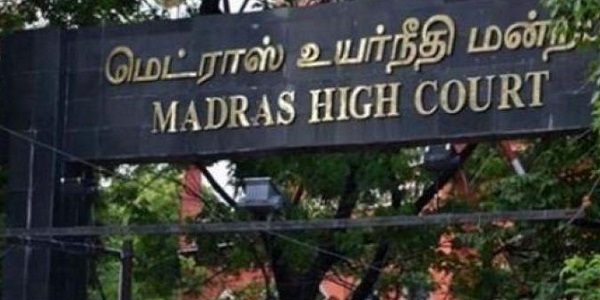
Section 14A Addition Unsustainable When Own Funds Exceed Investments: Madras HC

No Interest on MOOWR Capital Goods Intended for Warehouse Use: Rajasthan HC

Income Tax Reassessment Must Be Independent of GST Adjudication: Madras HC
Actuarial Deficit Fund Contributions Not Hit by Annual Ceilings: Calcutta HC
Delayed GSTR-3B Filing Cannot Bar ITC Without Section 16(5) Review: Calcutta HC
All High Courts brings together judgments and orders of High Courts across India published on TaxGuru. The archive covers Income Tax, GST, Customs, Company Law, Corporate Law, insolvency, commercial laws and other taxation and regulatory matters. Readers can research important questions of law, constitutional challenges, writ petitions, statutory appeals and other proceedings decided by different High Courts. Chartered Accountants, advocates, tax professionals, businesses and legal researchers can use this consolidated archive to follow High Court jurisprudence across India. Separate High Court categories are available for court-specific judgments and orders.

