
Courts: All High Courts
Read latest High Court judgments and orders on Income Tax, GST, Customs, Company Law and other taxation, corporate, commercial and regulatory matters.

GST Refund Limitation Objection Requires Show Cause Notice: Madras HC
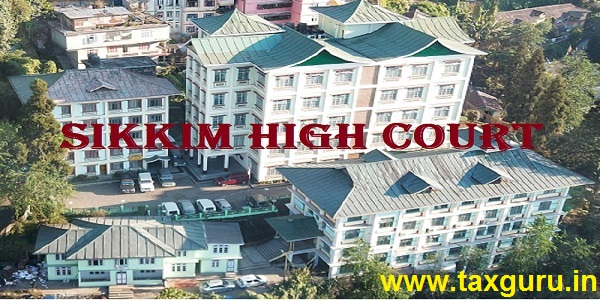
Fixed-Tenure NHPC Employees Cannot Claim Amalgamation Absorption Benefits: Sikkim HC

Repaid GST Refund Must Be Re-Credited to Electronic Credit Ledger: Madras HC

TDS Withheld From Land Acquisition Compensation Must Be Released: Karnataka HC

Section 148 Notice Quashed Where Same Transaction Was Examined in Scrutiny: Delhi HC

Sun Pharma Sikkim’s Section 80IE Deduction Upheld; Revenue Appeals Dismissed: Gujarat HC
Blocked GST Credit Cannot Be Used for Appeal Pre-Deposit: Madras High Court
Outgoing Partner Cannot Veto Firm’s Reconstitution by Refusing to sign: Karnataka HC

Technical Quashing of Reassessment Does Not End Tax Prosecution: P&H HC
Cheque Dishonour Case Against Non-Signatory Whole-Time Directors Quashed: Calcutta HC

Adjudicating Authority Cannot Ignore Operative CESTAT Refund Order: Delhi High Court

No Section 194H TDS Where Collection Centres Retain Margin: Bombay HC

Section 115JB MAT Not Applicable to Kerala Electricity Board: Kerala HC
Advocate Gets 15-Day Jail for Baseless “Match-Fixing” Allegation: Karnataka HC
All High Courts brings together judgments and orders of High Courts across India published on TaxGuru. The archive covers Income Tax, GST, Customs, Company Law, Corporate Law, insolvency, commercial laws and other taxation and regulatory matters. Readers can research important questions of law, constitutional challenges, writ petitions, statutory appeals and other proceedings decided by different High Courts. Chartered Accountants, advocates, tax professionals, businesses and legal researchers can use this consolidated archive to follow High Court jurisprudence across India. Separate High Court categories are available for court-specific judgments and orders.

