
Courts: All High Courts
Read latest High Court judgments and orders on Income Tax, GST, Customs, Company Law and other taxation, corporate, commercial and regulatory matters.

Bombay HC Holds Section 96 IBC Moratorium Covers Entire Debt, Stays Arbitration
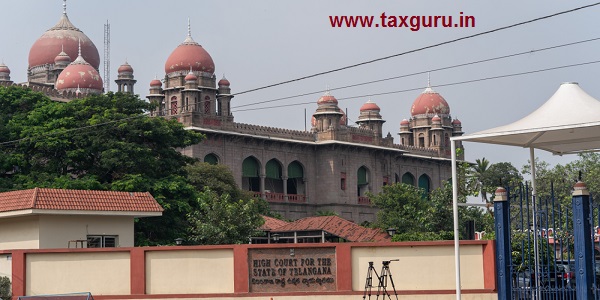
Telangana HC Condones GST Appeal Delay Caused by CA’s Illness

Gujarat HC Quashes Section 148 Notice Based on Existing Assessment Records

Bombay HC Quashes Wilful Defaulter Orders for Being Non-Speaking

P&H HC Allows CENVAT Credit on Materials Used to Fabricate Air Humidifier Ducts
Telangana HC Directs Taxpayer to Deposit 10% Tax & Approach GSTAT for Second Appeal
Telangana HC Allows Rectification of GST Penalty Order After Tax Demand Was Set Aside

Excise Commissioner Cannot Question HPC Eligibility Certificates: Gujarat HC
Gujarat HC Quashes Section 148 Reopening, Applies IBC Clean Slate Principle
Wealth Tax Return Disclosure Does Not Bar Section 148 Reassessment: Gujarat HC
Gujarat HC Grants Section 12AB Registration Despite Member-Related Incidental Objects

Calcutta HC Enhances MACT Compensation; Rejects Insurer’s Reliance on Outdated ITR

P&H HC Quashes Retrospective GST Registration Cancellation Beyond SCN

Madras HC Denies ITC Under Section 16(6) If Time-Barred Under Section 16(4)
All High Courts brings together judgments and orders of High Courts across India published on TaxGuru. The archive covers Income Tax, GST, Customs, Company Law, Corporate Law, insolvency, commercial laws and other taxation and regulatory matters. Readers can research important questions of law, constitutional challenges, writ petitions, statutory appeals and other proceedings decided by different High Courts. Chartered Accountants, advocates, tax professionals, businesses and legal researchers can use this consolidated archive to follow High Court jurisprudence across India. Separate High Court categories are available for court-specific judgments and orders.

