
Courts: All High Courts
Read latest High Court judgments and orders on Income Tax, GST, Customs, Company Law and other taxation, corporate, commercial and regulatory matters.

Bombay HC Quashes Reassessment Order Passed Without Draft Section 144C Order
MP HC Dismisses Writ Against Section 16 Rejection Despite Fraud Allegations in Arbitration

MP HC: Section 16 Arbitration Act Rejection Must Be Challenged Under Section 34, Not Writ

Delhi HC Dismisses Writ Against MSMED Arbitral Award Despite 75% Pre-Deposit Requirement

Bombay HC Quashes Reassessment Notice Issued Beyond 3 Years Without PCCIT Sanction

Kerala HC Upholds Section 16(2)(c) & 16(4), Grants Relief on GST ITC Time Limit
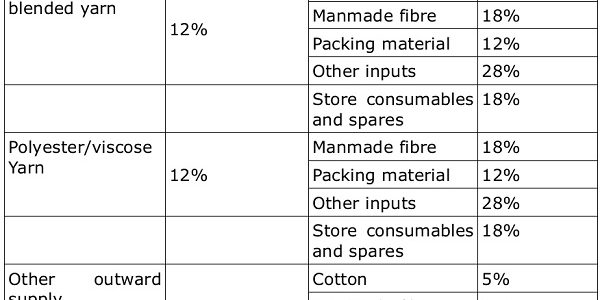
Rajasthan HC Sets Aside GST Refund Rejection for Misapplying Inverted Duty Structure

Karnataka HC Sets Aside GST Refund Rejection for Ignoring Binding Judicial Precedents

Rajasthan HC Remands CENVAT Credit Dispute for Denial of Cross-Examination
Kerala HC Upholds Removal of Post-Mortgage Attachments After SARFAESI Auction Sale
Kerala HC Directs Removal of Post-Mortgage Attachment from SARFAESI Auction Property
P&H HC Quashes Premature Retirement Based on Unsubstantiated Adverse ACRs

Gujarat HC Quashes GST Charge on Property Purchased Through IBC Liquidation

Section 263 Limitation Runs from Original Assessment for Unrelated Reassessment Issues: Delhi HC
All High Courts brings together judgments and orders of High Courts across India published on TaxGuru. The archive covers Income Tax, GST, Customs, Company Law, Corporate Law, insolvency, commercial laws and other taxation and regulatory matters. Readers can research important questions of law, constitutional challenges, writ petitions, statutory appeals and other proceedings decided by different High Courts. Chartered Accountants, advocates, tax professionals, businesses and legal researchers can use this consolidated archive to follow High Court jurisprudence across India. Separate High Court categories are available for court-specific judgments and orders.

