
Courts: All High Courts
Read latest High Court judgments and orders on Income Tax, GST, Customs, Company Law and other taxation, corporate, commercial and regulatory matters.
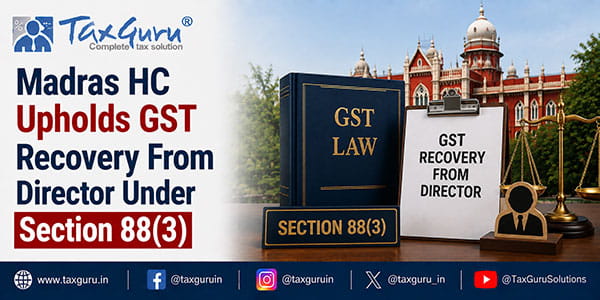
Madras HC Upholds GST Recovery From Director Under Section 88(3)

Delhi HC Admits Appeal on Limitation for Final Assessment Under Section 144C
Delhi HC: Complaint Can Trigger Section 16(1)(a) Action to Change Similar Company Name

AP HC Sets Aside GST Assessment Order Without DIN, Permits Fresh Assessment

Exact Statutory Phraseology Not Required in SCN for Extended Limitation: Madras HC

Madras HC: Choosing Writ Over Custom Appeal Not Sufficient Cause for Delay
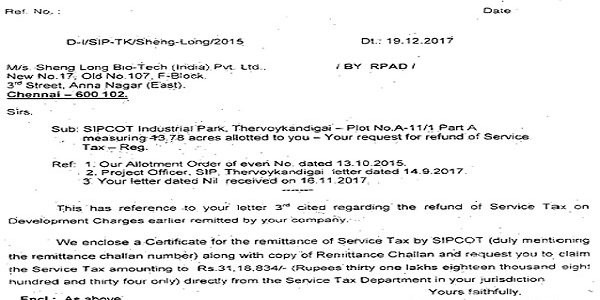
Madras HC: Refund Limitation Runs From SIPCOT Certificate, Not Finance Act Assent
No CENVAT Credit on CVD Paid Through DEPB Scrips in 2003-04; Revenue Neutrality Fails: Madras HC

Madras HC: Waiver of Penalty Does Not Bar Extended Limitation for Service Tax Demand
Madras HC: No ITC on Purchase of DEPB Licences Under TNVAT Act

Karnataka HC Grants Interim Relief on ITC Denial Due to Supplier Default

Madras HC: Mutuality Bars Sales Tax on Goods Supplied to Society Members
AP HC Sets Aside Unsigned GST Assessment Order and Remands Fresh Adjudication
Gauhati HC Dismisses Challenge to Consolidated GST SCNs Across Financial Years
All High Courts brings together judgments and orders of High Courts across India published on TaxGuru. The archive covers Income Tax, GST, Customs, Company Law, Corporate Law, insolvency, commercial laws and other taxation and regulatory matters. Readers can research important questions of law, constitutional challenges, writ petitions, statutory appeals and other proceedings decided by different High Courts. Chartered Accountants, advocates, tax professionals, businesses and legal researchers can use this consolidated archive to follow High Court jurisprudence across India. Separate High Court categories are available for court-specific judgments and orders.

