
Courts: All High Courts
Read latest High Court judgments and orders on Income Tax, GST, Customs, Company Law and other taxation, corporate, commercial and regulatory matters.
J&K HC Quashes GST Penalty Despite Mere One-Day Delay Under Section 129(3)
AP HC Sets Aside Composite GST Assessment Order Covering Multiple Tax Periods

Calcutta HC Cancels PMLA Bail Over ₹214 Crore Unrecorded Cash Trail

Chhattisgarh HC Grants Bail in Cyber Fraud Case, Cites Parity & Prolonged Custody

Delhi HC Sets Aside ₹16.74 Crore Tax Enhancement for Want of Section 251 Notice
AP HC Quashes Best Judgment Assessment After Valid GSTR-3B Filing

Delhi HC Admits Revenue Appeal on Section 115BBE Tax Rate, Demonetisation Additions
AP HC: Secured Creditor Has Priority Over GST Dues Under Section 26E
AP HC: Section 62 Assessment Deemed Withdrawn on Filing GSTR-3B

Bombay HC Quashes Section 148 Reassessment for Ignoring Registered Sale Deed
Delhi HC Directs Decision on ₹1.79 Crore VAT Refund Representation Within 2 Weeks
AP HC Quashes GST Detention Over Expired E-Way Bill After Vehicle Breakdown
CGST Act Has No Provision to Waive Mandatory Pre-Deposit for Appeal: Delhi HC
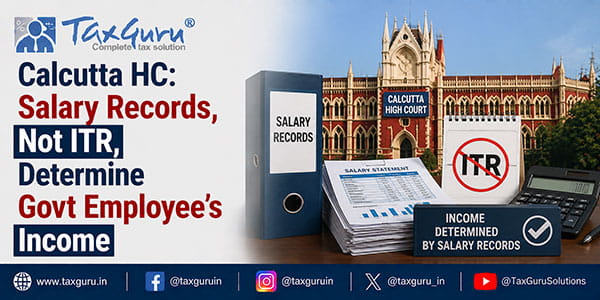
Calcutta HC: Salary Records, Not ITR, Determine Govt Employee’s Income
All High Courts brings together judgments and orders of High Courts across India published on TaxGuru. The archive covers Income Tax, GST, Customs, Company Law, Corporate Law, insolvency, commercial laws and other taxation and regulatory matters. Readers can research important questions of law, constitutional challenges, writ petitions, statutory appeals and other proceedings decided by different High Courts. Chartered Accountants, advocates, tax professionals, businesses and legal researchers can use this consolidated archive to follow High Court jurisprudence across India. Separate High Court categories are available for court-specific judgments and orders.

