
Courts: All High Courts
Read latest High Court judgments and orders on Income Tax, GST, Customs, Company Law and other taxation, corporate, commercial and regulatory matters.

Disposed Writ; Taxpayer Directed to Approach GSTAT Under Alternate Remedy: Telangana HC

Permitted Physical Application for GST Registration Revocation After Appeal Dismissal: Telangana HC

Karnataka HC Grants Interim Stay on GST Demand After ITC Reversal

Madras HC Condones Delay in Form 10B Filing Despite CBDT Time Limit

Broadband Trial Run Income Before Commissioning Is Capital Receipt: Bombay HC

Karnataka HC Quashes GST Deduction from Land Acquisition Compensation

Kerala HC Upholds PMLA Summons Without Prior FIR; Income Tax Settlement Immunity No Bar
Delhi HC Upholds Cheque Bounce Conviction, Rejects Blank Security Cheque Defence
IBC Moratorium Does Not Extinguish Directors’ NI Act Liability: P&H HC
HC Sets Aside 200% Section 270A Penalty for Misreporting Due to Defective SCN

HC Enhances Motor Accident Compensation by Excluding House Property Loss Set-Off
Madras HC Sets Aside Tax & Interest on Unutilised ITC Reflected in GSTR-2A/2B
GST Orders Cannot Survive Pending KVAT Return Revision: Kerala HC
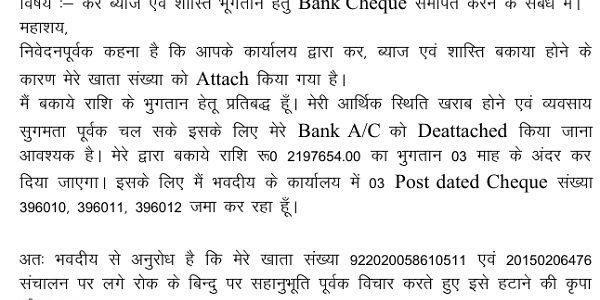
Patna HC Imposes ₹25,000 Costs for Challenging GST Demand After Giving Undertaking
All High Courts brings together judgments and orders of High Courts across India published on TaxGuru. The archive covers Income Tax, GST, Customs, Company Law, Corporate Law, insolvency, commercial laws and other taxation and regulatory matters. Readers can research important questions of law, constitutional challenges, writ petitions, statutory appeals and other proceedings decided by different High Courts. Chartered Accountants, advocates, tax professionals, businesses and legal researchers can use this consolidated archive to follow High Court jurisprudence across India. Separate High Court categories are available for court-specific judgments and orders.

