
Courts: All High Courts
Read latest High Court judgments and orders on Income Tax, GST, Customs, Company Law and other taxation, corporate, commercial and regulatory matters.

Chhattisgarh HC Orders Reconsideration Property Tax Exemption Claim of School

Aria Brew and Dine Vs Century Corbel: Karnataka HC Upholds Lease Dues & Vacating Order
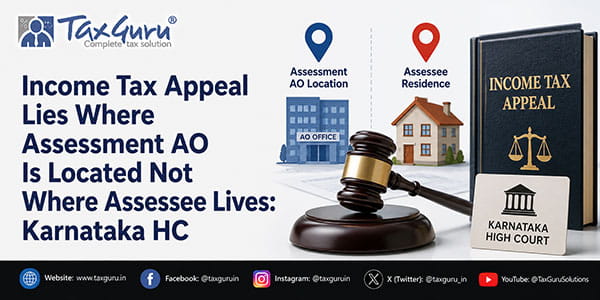
Income Tax Appeal Lies Where Assessment AO Is Located Not Where Assessee Lives: Karnataka HC

Allahabad HC Quashes GST Appeal Rejection for Ignoring Delay Condonation Grounds

Madras HC Upholds 7% Bus Body Drawback as Duplicate Benefit Was Not Established

Madras HC Upholds GST Recovery, Grants 30 Days to Appeal with 25% Tax Deposit

Calcutta HC Dismisses Customs Appeal on ADD & Undervaluation, Directs Appeal to SC

Rajasthan HC Condones Delay in GST Appeal Due to Ineffective Order Communication

Allahabad HC Directs Centre to File Affidavit on GSTAT Vacancies in Uttar Pradesh
Delhi HC Permits GSTR-3B, 2A and GSTR-9 Amendments After Shipping Bill Corrections

Kerala HC Allows Fresh GST Orders After Quashing Orders With Signature Defects

Madras HC Sets Aside ₹2.04 Crore 26AS Assessment as Expenses Were Overlooked

HC Disposes House Tax Exemption Plea, Grants Liberty to Approach Municipal Authority

Karnataka HC Allows Section 54F Exemption Despite Incomplete Construction
All High Courts brings together judgments and orders of High Courts across India published on TaxGuru. The archive covers Income Tax, GST, Customs, Company Law, Corporate Law, insolvency, commercial laws and other taxation and regulatory matters. Readers can research important questions of law, constitutional challenges, writ petitions, statutory appeals and other proceedings decided by different High Courts. Chartered Accountants, advocates, tax professionals, businesses and legal researchers can use this consolidated archive to follow High Court jurisprudence across India. Separate High Court categories are available for court-specific judgments and orders.

