
Courts: All High Courts
Read latest High Court judgments and orders on Income Tax, GST, Customs, Company Law and other taxation, corporate, commercial and regulatory matters.

Bombay HC Directs GST Authority to Decide Interest Representations Before Garnishee Recovery

Telangana HC Directs Medical Transfer of Customs Accused to KIMS Hospital

Calcutta HC Set Aside GST Revocation Rejection for Non-Supply of Field Report
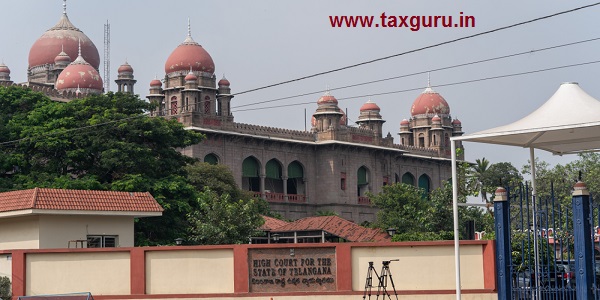
Telangana HC Allows GST Appeal with Delay Condonation Against DRC-07

Telangana HC Allows GST Appeals Against Unsigned Orders and Hearing Denial

Telangana HC Condones GST Appeal Delay Over Consultant’s Contact Details
Telangana HC Allows Manual GST Revocation Application After Registration Cancellation
When an Unadjudicated Allegation of Bogus ITC cannot Sustain Cancellation of GST Registration
Allahabad HC Grants Bail in ₹90 Lakh Fake ITC Case for Lack of Evidence

Gujarat HC Upholds Ketamine Export Penalties on Evidence of Attempted Export

Delhi HC Dismissed Section 40(a)(i) Appeals After Section 201 Proceedings Closed

Calcutta HC Allows Section 11 Arbitration Despite Pending MSME Conciliation
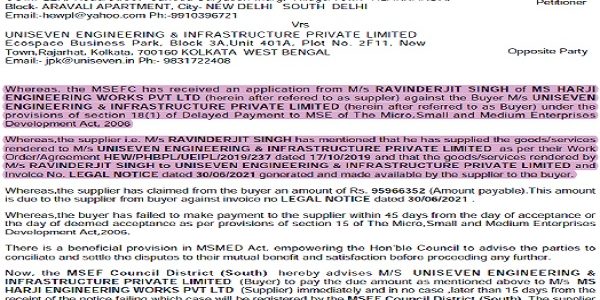
Delhi HC Sets Aside MSEFC Order Allowing Independent Buyer Claim Under MSMED Act

Mere Non-Payment of Tax Not Attracts Section 276C(2) Prosecution: Kerala HC
All High Courts brings together judgments and orders of High Courts across India published on TaxGuru. The archive covers Income Tax, GST, Customs, Company Law, Corporate Law, insolvency, commercial laws and other taxation and regulatory matters. Readers can research important questions of law, constitutional challenges, writ petitions, statutory appeals and other proceedings decided by different High Courts. Chartered Accountants, advocates, tax professionals, businesses and legal researchers can use this consolidated archive to follow High Court jurisprudence across India. Separate High Court categories are available for court-specific judgments and orders.

